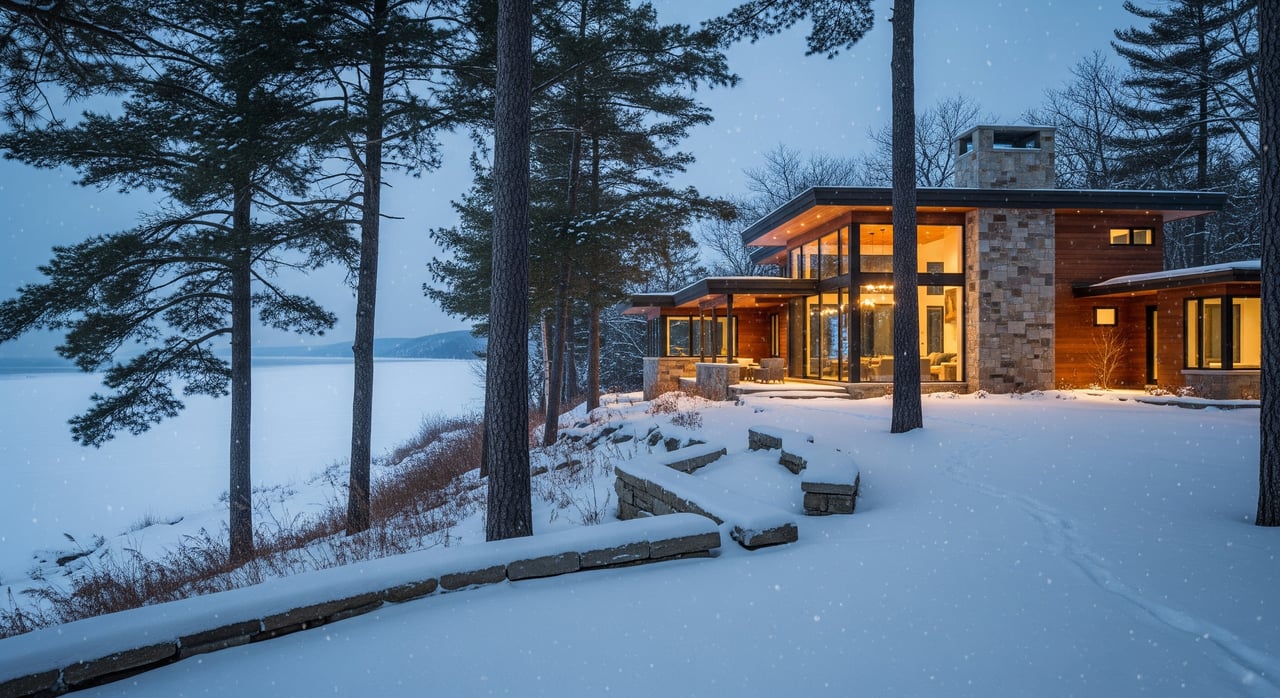
Wondering if winter is a smart time to buy or sell in Traverse City? The snow, shorter days, and icy roads can make it feel like the market is on pause, but that is not the full story. Winter reshapes inventory, showings, and negotiation power in ways you can use to your advantage. In this guide, you will learn what truly happens in Grand Traverse County from December to March and how to plan a confident move. Let’s dive in.
Why winter looks different here
Northern Michigan winters are cold with regular snowfall and stretches of ice and low temperatures. That affects everything from showings and photos to inspections and utility costs. You can expect snow on roofs, icy driveways, and longer travel times to rural properties.
Grand Traverse County also has a mix of year‑round homes and vacation or second‑home properties. Many seasonal owners pull listings in winter or wait for spring. At the same time, winter recreation and tourism create niche demand for cabins and condos near trails and resorts, even as overall residential activity slows.
The result is a market that is more cyclical than large urban areas. Fewer casual shoppers are out, and the buyers who tour homes in winter tend to be more serious and timeline driven.
What to expect in winter
Inventory and days on market
Fewer sellers list in December through February, so visible inventory can look thin. Homes that are active may sit longer than they would in spring, which raises days on market. Price adjustments become more common as sellers respond to slower traffic. Low inventory does not always mean sellers hold all the cards, because demand softens too.
Showing traffic and buyer makeup
Showing traffic typically declines in winter. The buyers who do schedule tours are often motivated by relocation, job changes, rate goals, or a planned seasonal move. That focus can make conversations more direct and timelines clearer.
Negotiation leverage
With slower buyer activity and longer marketing times, sellers usually show more flexibility on price and concessions. Buyers often negotiate for repairs, credits, or items like appliances and snow removal allowances. Winter can still produce strong outcomes for certain properties, especially well‑located or unique listings, but most deals involve give and take.
Buyer advantages in Traverse City winter
Why buying now can help you
- Less competition. Fewer active buyers means cleaner negotiations and faster responses.
- Faster vendor scheduling. Inspectors, appraisers, and movers often have more availability in winter.
- See cold‑weather performance. You get to test heating, drafts, and snow management in real time.
Risks to manage before you buy
- Snow and shorter daylight can hide exterior issues like grading and drainage.
- Some defects show up during freeze and thaw in early spring.
- Rural or steep roads can slow access or require specific snow removal plans.
Smart buyer checklist for winter
- Ask for recent utility bills and heating history, plus maintenance records for the furnace or boiler.
- Hire inspectors with cold‑climate experience who check insulation, air sealing, ice dams, and frost impacts.
- Confirm driveway and road maintenance responsibilities with the township or HOA.
- Budget for higher winter heating costs when you run the numbers.
- Build in inspection contingencies and consider a spring walk‑through for exterior drainage.
Selling in winter across Grand Traverse County
Advantages you can lean on
- Serious buyers. Winter showings often convert at a higher rate because buyers are motivated.
- Less direct competition. If your property type is scarce in winter, you can stand out.
Challenges to plan for
- Expect longer days on market and more negotiation on price and repairs.
- Curb appeal can suffer, and photos are harder to capture in low light.
- Showings can be disrupted by storms, so flexibility matters.
Prep timeline for a winter listing
- Weeks 8 to 12: Gather utility and maintenance records. Service the furnace or boiler and consider a pre‑listing inspection.
- Weeks 4 to 8: Set a competitive price using current local MLS winter data. Schedule professional photos with an interior focus and warm lighting. Prepare walkways and outdoor lighting.
- Weeks 0 to 4: Set a snow removal plan for showings. Finalize disclosures and prepare for negotiated repairs or credits.
Winter showing and marketing tips
- Keep driveway and paths cleared, entry salted or sanded, and the house number visible.
- Stage for warmth with good lighting and comfortable interior temps.
- Highlight winter strengths in your listing copy such as efficient heat, newer windows, generator, or proximity to winter recreation.
- Use interior‑forward photos and a virtual tour. Consider a limited set of winter exterior shots to set expectations.
- Provide mats and shoe covers to keep floors clean and inviting.
Timing your move for best results
If you want maximum exposure and pricing potential, late winter to early spring is usually a strong window. Listing in late February or March captures early spring demand while avoiding the coldest period, assuming your prep work is done.
If you must move in the heart of winter, December and January can still work. Price competitively, keep showings smooth, and be prepared to negotiate. Buyers looking for the best deals often shop late fall through winter, while those who want the widest selection will find more choices in spring.
Inspections that matter most in winter
Cold‑weather inspections deserve extra attention. Ask your inspector to drill into:
- Heating system capacity and service history, plus fuel storage where applicable.
- Insulation levels, window and door seals, and air leakage.
- Roof condition, snow load considerations, and any signs of ice damming.
- Plumbing protection such as pipe insulation and shutoff locations.
- Exterior grading and drainage, with a plan to review again after snowmelt.
- Driveway slope and surface condition, plus garage doors and thresholds that can freeze.
Sellers help buyers feel confident by sharing recent utility bills, maintenance records, and any snow‑removal agreements.
Local factors that can shift outcomes
- Second‑home dynamics. Vacation properties and short‑term rentals follow a different rhythm. Some owners pause listings in winter, while buyers focused on a future seasonal pivot stay active. Clear rental history, occupancy details, and winter utility costs help buyers compare options.
- Access and roads. Distance to main roads and snow removal standards affect showability. Properties on steep or rural roads can face delays in heavy snow.
- Utilities and fuel. Buyers ask about fuel type, insulation, and winter bills. Well‑documented efficiency upgrades and heating records help a listing stand out.
Move logistics and closing tips
- Choose movers familiar with winter conditions and allow for weather delays.
- Transfer utilities early and confirm the heating system is operating before closing.
- Plan a post‑closing spring check for roof, gutters, grading, and landscaping once snow is gone.
How to use current local data
Seasonal patterns are consistent year to year, but each winter can behave a little differently. Monthly reports from local Realtor associations and the MLS show real‑time shifts in new listings, days on market, and pricing. Reviewing that data before you list or write an offer helps you set the right expectations and strategy.
Your next step in Traverse City
Whether you are aiming for a winter deal or preparing to hit early spring demand, a focused plan makes the difference. If you want native local guidance, targeted marketing for waterfront and second‑home properties, and a responsive single point of contact, reach out to Mike Annelin. Let’s Connect and map the best timing and strategy for your move.
FAQs
What changes in Traverse City’s housing market during winter?
- Winter brings fewer new listings and slower showing traffic, but motivated buyers remain active and negotiation flexibility often increases.
Is winter a good time to buy a home in Grand Traverse County?
- Yes, if you value less competition, faster vendor scheduling, and seeing how a home performs in cold weather, while managing inspection contingencies.
How should sellers prepare a home for winter showings?
- Clear driveways and walks, keep the entry safe, warm the interior, use interior‑focused photos, and be ready to negotiate on price or repairs.
Do homes stay on the market longer in winter?
- Often yes, as overall demand softens, which can lead to more price adjustments and concessions compared with spring.
What inspections are most important for winter transactions?
- Heating system performance, insulation and air sealing, roof and ice dam signs, plumbing freeze protection, and a spring follow‑up for drainage.
When is the best time to list for maximum exposure?
- Late February to March often captures early spring demand while avoiding the coldest weather, assuming your prep work is complete.