Is your gut telling you it might be time to sell in Traverse City, but you are unsure which season gives you the best shot at a standout result? You are not alone. In Northern Michigan, timing plays a bigger role than most people expect because weather, tourism, and school calendars all shape buyer behavior. In this guide, you will see exactly when to list, why it matters by property type, and what to do if life events push you into an off-peak month. Let’s dive in.
Best months to sell in Traverse City
Spring lifts price and speed
For most homes, late April through early June is your strongest window. National research shows a measurable price premium and faster sales in May and early June, which lines up with how buyers move in Michigan’s warm-up months. You get longer daylight, greener yards, and more in-person showings, which can push visibility and offers higher. See the national timing background in Zillow’s analysis of the best time to sell.
Summer captures tourism demand
Summer buyer traffic surges with visitors and second-home shoppers. The National Cherry Festival in early July draws large crowds downtown, and many out-of-area buyers tour while they are here. Regional drawcards like Sleeping Bear Dunes add to awareness, with the lakeshore historically topping a million visits a year, according to a Sleeping Bear Dunes visitation overview. If you are selling waterfront, luxury, or short-term-rental ready property, keeping your listing show-ready through early summer can pay off.
Fall is a smart plan B
September and October offer a cleaner slate with fewer competing listings and still-pleasant curb appeal. Families often complete moves before the TCAPS school year, which begins after Labor Day, so fall buyers tend to be more local and focused. If you missed spring, pricing with precision and leaning on strong interior presentation can attract those serious shoppers who waited out the busy season.
Winter requires a different playbook
From November through February, there are fewer listings and fewer active buyers. The right buyer is still out there, but snow and short days reduce showability and can push time on market higher. Plan for warm, high-quality photography, strong online tours, and flexible showings. For climate context and typical snow periods, check the Traverse City weather averages.
Match timing to your property type
- Family-oriented homes: Spring aligns with household moves and attractive yards. Highlight flexible closing options that allow a summer move before school starts. Referencing the after-Labor-Day TCAPS start helps buyers plan.
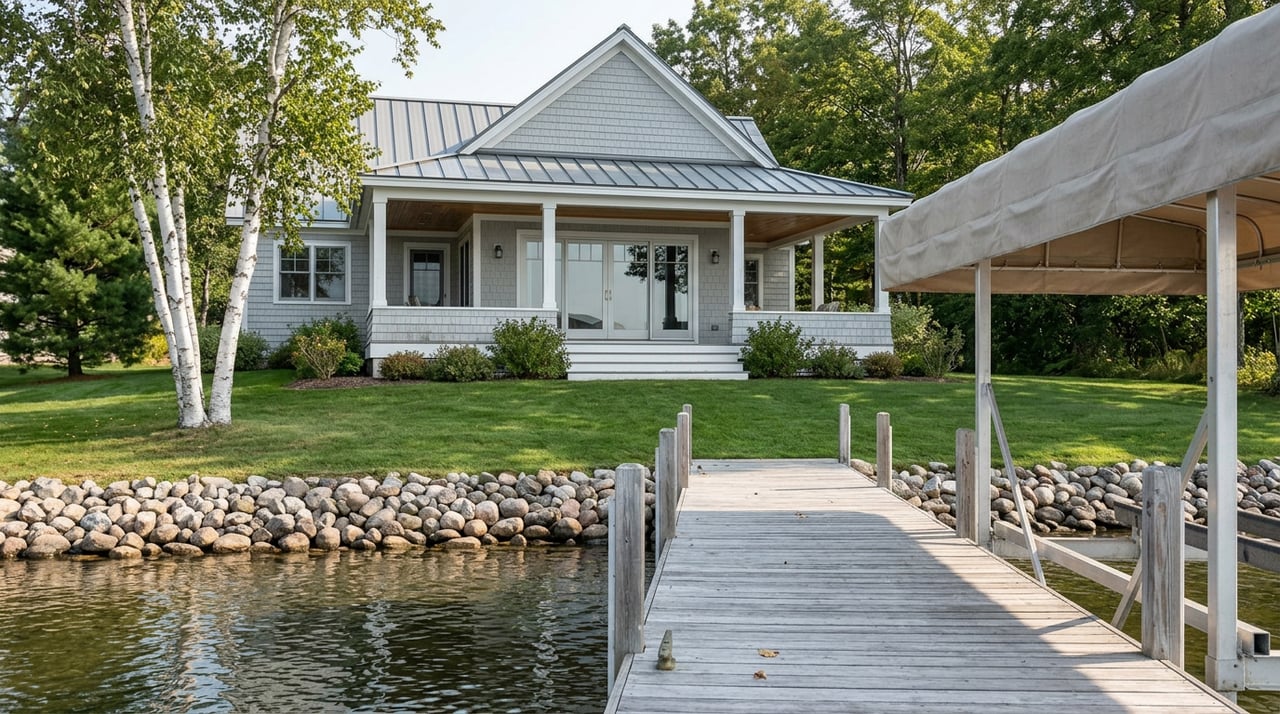
- Waterfront, second-home, STR-capable: Late spring through summer captures peak out-of-area traffic and the strongest seasonal rental underwriting. If your property is STR-ready, assemble proof of income and high-season occupancy. A local snapshot of seasonal demand is helpful, like the Traverse City STR market overview, and you should verify current licensing on the City of Traverse City site.
Your 2026–2027 timing roadmap
If you can list in spring 2026
- Why it works: You capture the price lift and give buyers time to plan summer moves. Yard and water views photograph at their best. This aligns with Zillow’s national timing findings.
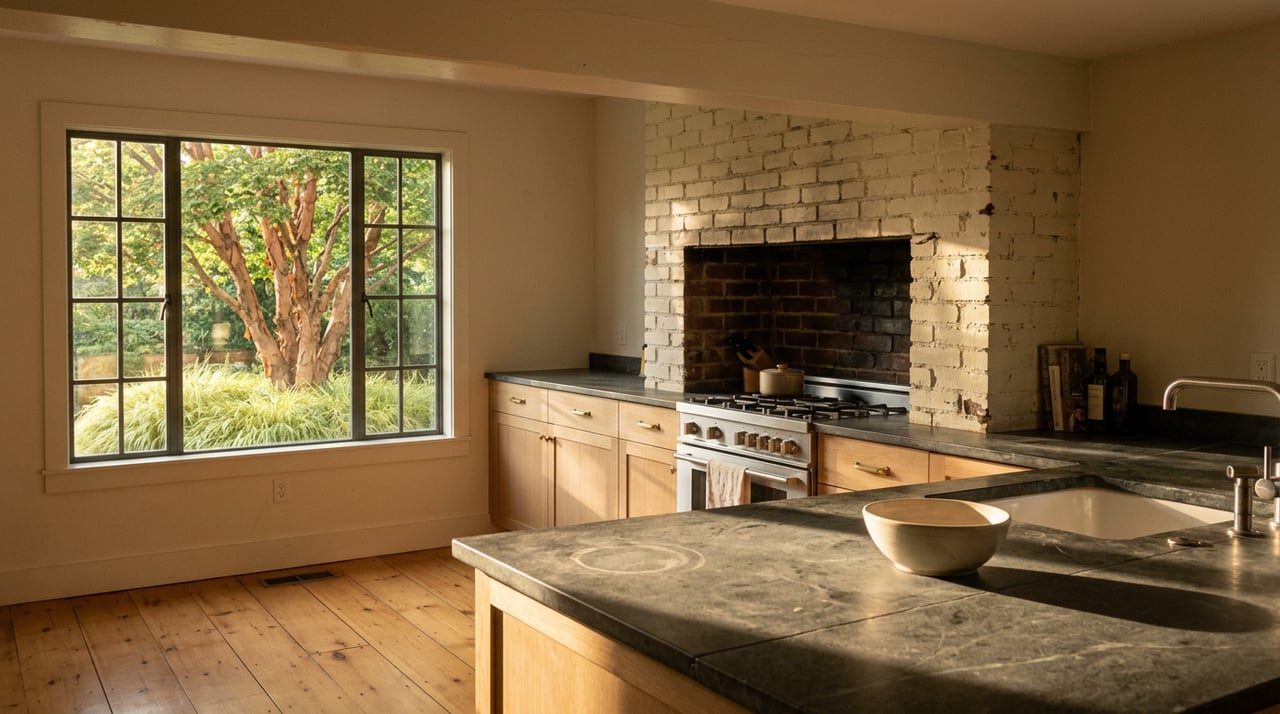
- What to do: Begin prep 8 to 12 weeks out. Finish exterior work before trees leaf out fully, then schedule professional photos and a 3D tour near your go-live date. Interior staging can shorten days on market and improve offers, according to NAR’s staging research.
If you target early summer 2026
- Why it works: Out-of-area buyers are in town for vacations and events like the Cherry Festival, and they can see your home in its best seasonal light. This is especially powerful for waterfront and STR-ready listings.
- What to do: Lead with summer lifestyle visuals, video, and drone if appropriate. If you have legitimate STR history, present a one-page revenue and occupancy summary so buyers can underwrite quickly.
If you pivot to fall 2026
- Why it works: Competition usually dips after Labor Day while weather and foliage keep curb appeal strong. Fall buyers are often more focused and ready to write if the price and condition are on point.
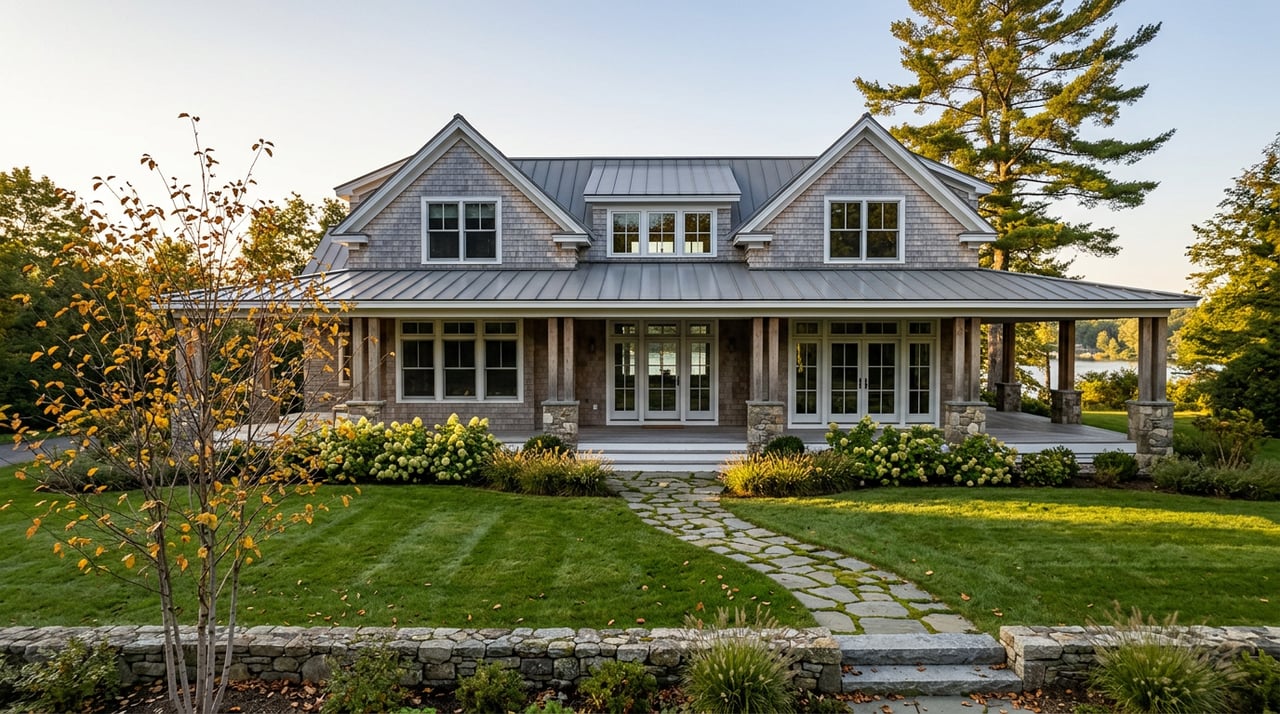
- What to do: Price to the current market, not spring’s peak. Refresh exterior photos to capture autumn and emphasize energy efficiency, heating systems, and storage that make year-round living easy.
If you must list in winter 2026–27
- Why it works: Inventory is thinner, which can help a well-prepared listing stand out, but expect fewer showings and potentially longer market times.
- What to do: Price to the comps and current demand. Use the Grand Traverse County market snapshot to stay aligned with live conditions, invest in interior staging per NAR guidance, and keep walkways clear for safe showings. Warm, well-lit photos and immersive virtual tours are essential. For move logistics and showing expectations, know your winter weather norms.
Pre-list prep checklist
- 12+ weeks out: Book contractors and landscapers, decide on a staging budget, and tackle exterior repairs while the weather cooperates. Waterfront sellers should confirm dock, shoreline, and permit details early.
- 6–8 weeks out: Declutter, deep clean, and complete paint and flooring touch-ups. Align your vendor schedules and confirm any needed permits.
- 2–4 weeks out: Consider a pre-list inspection if you suspect issues, schedule pro photos and a 3D tour, and assemble seller disclosures. STR sellers should compile income, occupancy, and expense records.
- Listing week: Launch mid-week to catch weekend traffic. Many studies and consumer behavior insights mirror Zillow’s timing research, which points to a mid-to-late-week go-live for maximum early exposure.
What local buyers expect to see
- Waterfront and STR-ready homes: A simple packet with STR license status, seasonal occupancy and revenue, parking details, and any HOA or city restrictions. Use a factual tone and include off-season performance to set clear expectations. For a market overview, see the Traverse City STR snapshot, and verify rules on the City’s website.
- Family-focused homes: Neutral information about proximity and timing helps buyers coordinate moves around the TCAPS schedule. Consider flexible possession to support a pre-school-year closing.
- Year-round primary homes: Simple documentation of winter readiness, like furnace service records, insulation or pipe protection, and snow removal arrangements. Buyers appreciate clarity on how the home performs during typical winter conditions.
Local market check before you price
Before you settle on a list price or pick a go-live week, cross-check the latest supply, days on market, and median prices. County-level context is easy to scan on Realtor.com’s Grand Traverse County page, and city-level trendlines live on Zillow’s Traverse City home values page. These numbers shift month to month, so a quick refresh keeps your strategy sharp.
Selling well in Traverse City is about more than a calendar date. It is about aligning your property type, your prep, and your pricing with the season that brings your best buyers to town. If you want a clear, local plan and premium marketing that meets the moment, reach out to Mike Annelin.
FAQs
What is the single best month to list a Traverse City home?
- Late April through early June, with May often showing a national price and speed lift per Zillow’s analysis, which aligns with local spring demand.
When should I list a waterfront or STR-ready home in Traverse City?
- Late spring into early summer captures vacation traffic, Cherry Festival visitors, and peak STR underwriting. Keep the home show-ready through July for maximum exposure.
Is fall a good time to sell in Grand Traverse County?
- Yes. September and October can offer less competition and strong curb appeal. Price competitively and focus on interior presentation to attract serious buyers.
What if I need to sell in winter?
- You can still sell well with the right plan. Expect fewer showings, invest in staging and great photography, and price to active comps. Keep walkways clear and show the home’s winter readiness.
How do local school schedules affect timing in Traverse City?
- TCAPS begins after Labor Day, so many families try to move in late spring or summer. If you target family buyers, plan a closing that lands before the school year starts.
Which local events influence buyer demand in summer?
- The National Cherry Festival brings a surge of visitors, and regional attractions like Sleeping Bear Dunes boost touring activity. That extra traffic can accelerate activity for waterfront and vacation-capable homes.