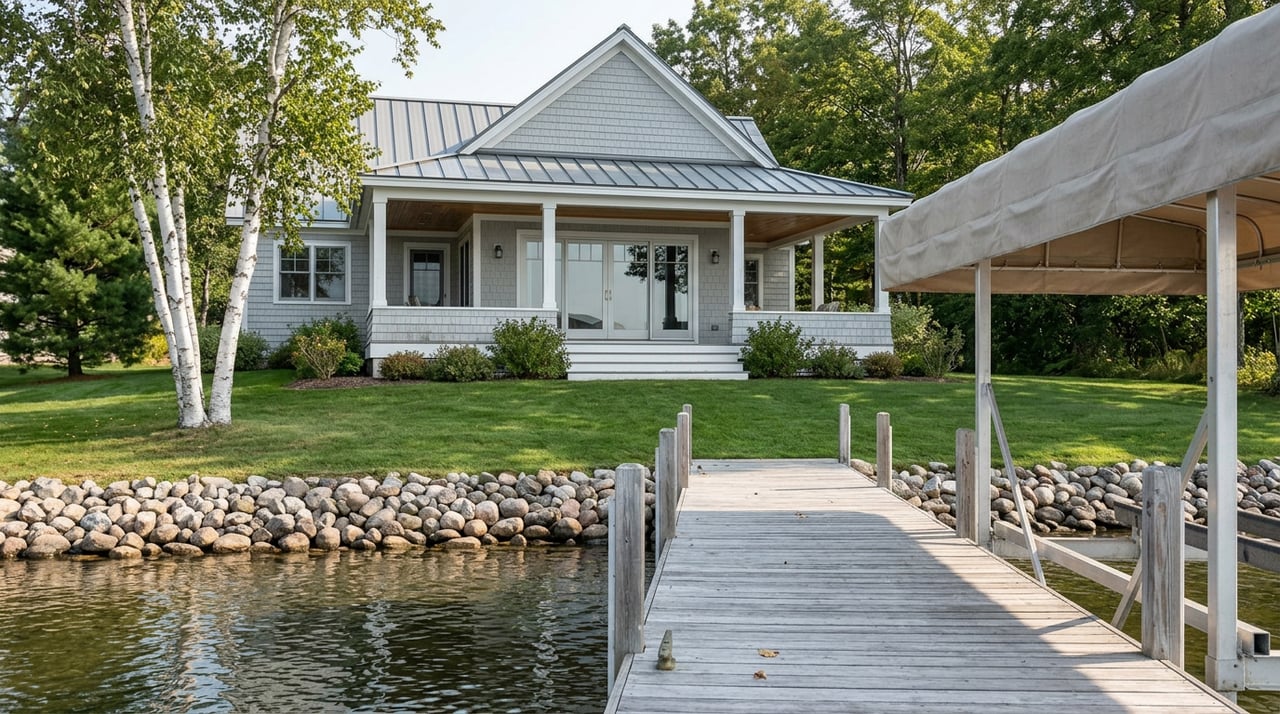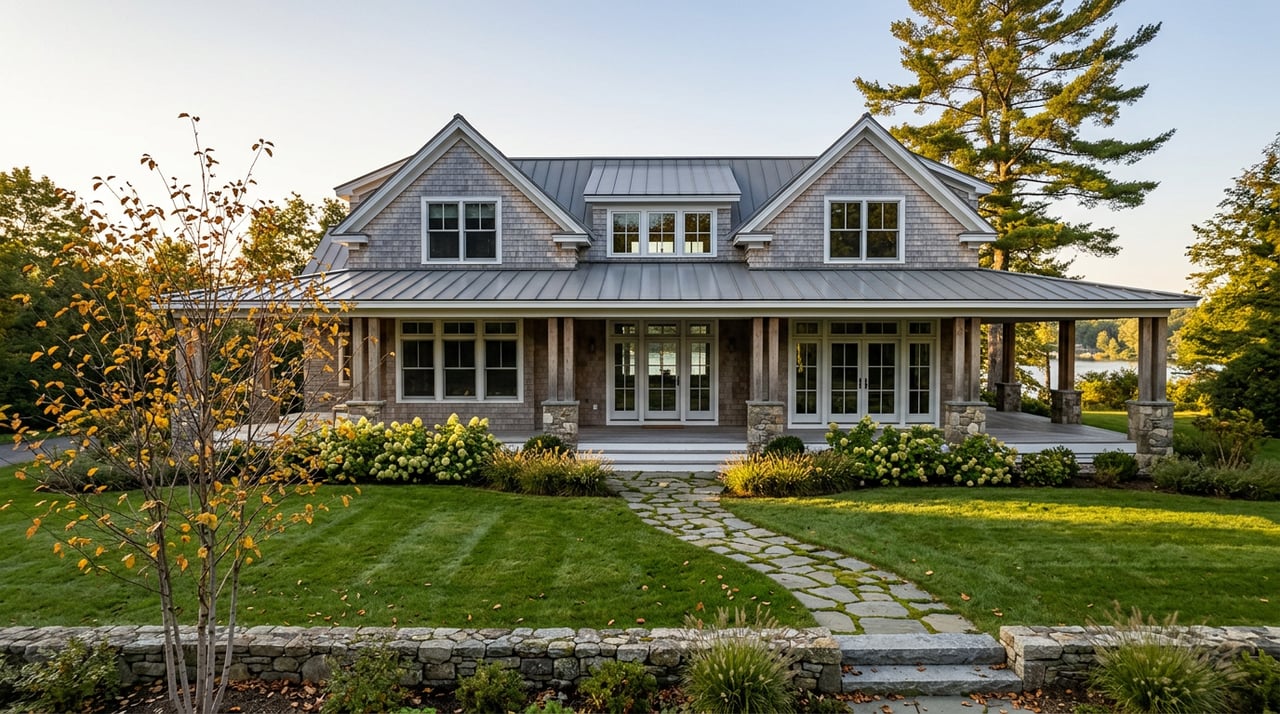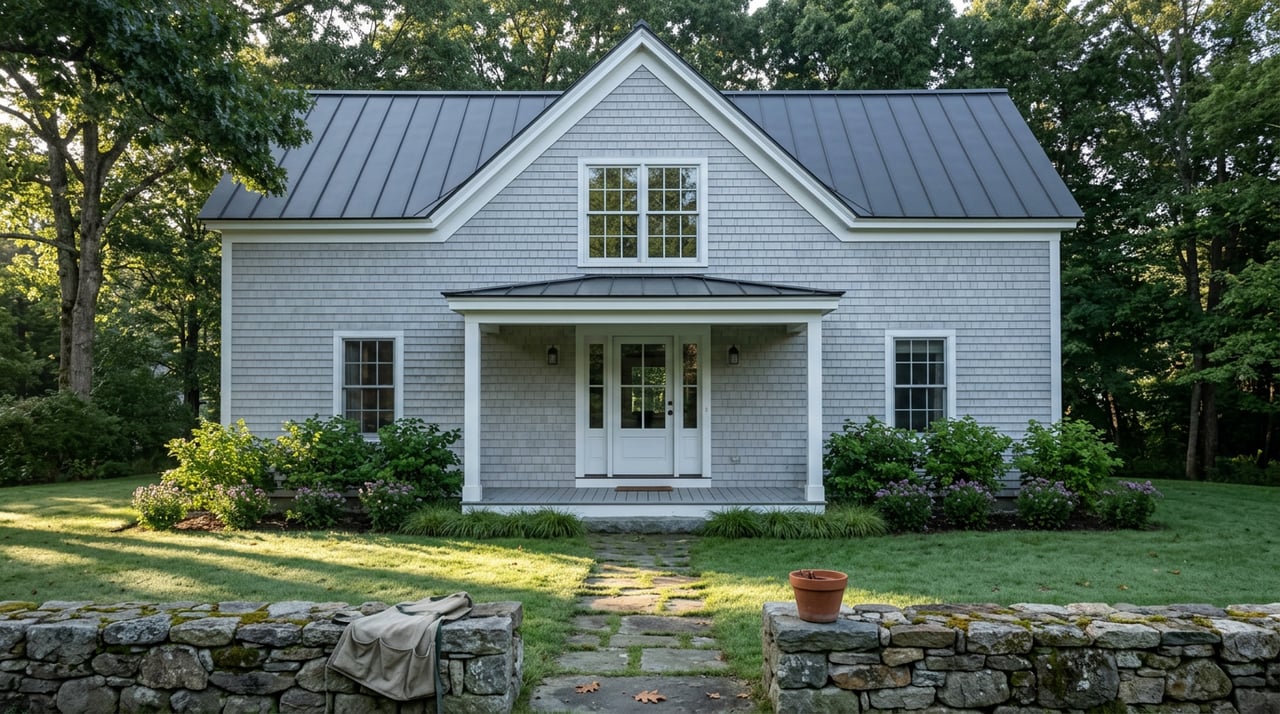
You want a neighborhood where daily life works: an easy school run, quick errands, nearby parks, and a home that fits now and later. Traverse City gives you a lot of options, from walkable streets close to downtown to quiet subdivisions with bigger yards. In this guide, you’ll compare areas by lifestyle, learn what to verify for any address, and get a practical plan to tour with confidence. Let’s dive in.
How to use this guide
Start by ranking your priorities:
- Schools and childcare access
- Commute and daily errands
- Parks, trails, and recreation
- Yard size and home style
- Budget, taxes, and utilities
Use the family profiles below to match your lifestyle with 2 or 3 areas to explore first. Then use the verification checklist to confirm address-specific details like school assignment, well or septic, and flood risk before you schedule tours.
Family profiles and best-fit areas
The walkable-weekdays family
You want to be close to work, schools, and activities with less driving. You value sidewalks, bike access, and quick trips downtown.
- Best-fit areas: Downtown and Old Town; West Side near Grand Traverse Commons
- Home types you’ll see: Historic homes, bungalows, townhomes, and some condos; a mix of older and infill single-family on the west side
Pros: Shorter drives to downtown and Munson Medical Center, strong access to parks and trails, and active community amenities. Many streets connect to the TART Trail network for biking and jogging.
Tradeoffs: Smaller lots and less private yard space. Pricing per square foot can be higher in walkable areas. Seasonal traffic near the bay and downtown can increase during summer.
The suburban move-up family
You need more square footage, a functional layout, and a yard for play or pets. You want nearby shopping and a typical neighborhood feel.
- Best-fit areas: Garfield Township; South and East suburban corridors
- Home types you’ll see: Newer subdivisions with ranch and two-story plans, attached garages, and larger lots
Pros: More space for the price compared to waterfront or core downtown. Proximity to big-box stores and services along US-31 and M-72. Many neighborhoods have sidewalks or quiet interior streets.
Tradeoffs: Less walkability to downtown amenities. Some homes will be on well and septic. Commute times to central destinations can be longer at peak hours.
The water-and-outdoors family
You prioritize access to the bay, scenic drives, and quiet streets. You plan weekends around beaches, boating, or trail time.
- Best-fit areas: East Bay, Acme, Old Mission Peninsula
- Home types you’ll see: Lakeshore cottages and luxury homes, semi-rural properties, and newer subdivisions set back from the shoreline
Pros: Strong outdoor lifestyle with waterfront access and scenic character. Plenty of options for quiet streets and natural surroundings. Summer feels active with bay activities.
Tradeoffs: Higher prices for waterfront. Some homes rely on wells and septic. Seasonal traffic increases on peninsula and shoreline corridors, and commutes to downtown may be longer.
The value-and-space seeker
You want more land or a lower purchase price with a quieter pace. You are open to a small-town setting within driving distance of Traverse City.
- Best-fit areas: Outlying towns and villages such as Kingsley, Interlochen, and Suttons Bay
- Home types you’ll see: Larger lots, a mix of older and newer construction, and rural properties
Pros: More space for the money, small-town feel, and access to regional amenities. Families interested in arts often appreciate proximity to programs in the Interlochen area.
Tradeoffs: Longer commutes into Traverse City for work or specialized services. Fewer year-round amenities in one place.
Neighborhood snapshots
Downtown and Old Town
- Character: Walkable streets near restaurants, shops, library, and beaches. Mix of historic homes, bungalows, townhomes, and condos.
- Who it fits: Households that want quick access to downtown activities and cultural events.
- Commute notes: Short drives or bike rides to downtown and the hospital. Summer brings more visitors and traffic near the bay.
- Parks and trails: Quick access to waterfront parks and the regional trail network. Explore the TART Trails for route ideas.
- What to verify: Parking options by address, school assignment, and any HOA or condo rules.
West Side and Grand Traverse Commons
- Character: Redeveloped mixed-use Commons area with nearby residential blocks that feel neighborly and close to town.
- Who it fits: You want a residential vibe with quick access to downtown.
- Commute notes: Easy access to core employment nodes and the Boardman Lake corridor.
- Parks and trails: Boardman Lake trail loops and neighborhood parks are nearby.
- What to verify: Inventory can be tight, so confirm must-have features early. Check any older home updates like insulation or basement waterproofing typical to the era of construction.
Garfield Township and South/East Suburbs
- Character: Newer subdivisions with larger lots and modern floorplans, close to shopping and services.
- Who it fits: Move-up buyers who want space and convenience.
- Commute notes: Longer drives to downtown at peak hours. Many daily needs are on US-31 and M-72.
- Parks and trails: Neighborhood playgrounds and access to county parks vary by subdivision.
- What to verify: Well and septic vs. municipal utilities, HOA presence and fees, and school assignment by address.
East Bay, Acme, and Old Mission Peninsula
- Character: Lakeshore, vineyards, and semi-rural roads with a mix of cottages, modern homes, and luxury properties.
- Who it fits: Households that prioritize water access and quieter streets.
- Commute notes: Peninsula and shoreline routes can be slower in peak tourist season.
- Parks and trails: Beaches, shoreline parks, and regional trail connections.
- What to verify: Flood risk for low-lying shoreline, well and septic systems, and seasonal road conditions.
Outlying towns and villages
- Character: Small-town settings within Grand Traverse County and nearby areas.
- Who it fits: Buyers seeking larger lots or lower prices with a quieter pace.
- Commute notes: Plan workplace drive times and consider winter conditions on rural roads.
- Parks and trails: Access to regional outdoor spaces and community facilities.
- What to verify: Utility type, school district boundaries, and any local ordinances affecting rentals or accessory units.
What to verify for any address
Many key items are address-specific. Confirm these details early in your search to avoid surprises later.
- School assignment: Use the Traverse City Area Public Schools boundary tools and confirm directly with the district. Start at the TCAPS website and check boundary resources for your target address.
- Program options: For enrollment and performance data, review the Michigan School Data portal and the specific school’s website for programs and extracurriculars.
- Commute reality: Map weekday peak and summer weekend travel times to your workplace. If you work at a major employer like Munson Medical Center, check both typical and seasonal traffic patterns.
- Parks and trails access: Use TART Trails maps to understand bike and walking connections.
- Utilities: Confirm well and septic status or municipal service through the seller’s disclosures and county records. Start with Grand Traverse County or the township for utility and permit history.
- Zoning and future plans: Review city planning and zoning for rules on accessory units and short-term rentals, and to see any proposed developments. Visit the City of Traverse City planning and zoning pages for current ordinances.
- Flood risk: Review FEMA maps for shoreline and low-lying parcels. Check the FEMA Flood Map Service Center and discuss insurance with a licensed agent.
Touring tips by neighborhood type
Walkable core (Downtown, Old Town, West Side)
- Parking: Check street parking, permit zones, and garage options if considering condos or townhomes.
- Home systems: Older homes may have updates over time. Ask for permits and contractor records regarding roofs, basements, heating, and electrical.
- Sound and seasons: Visit at different times of day and in summer to gauge activity levels and traffic near parks and beaches.
Suburban subdivisions (Garfield, South/East)
- HOA review: Request bylaws and fee schedules if applicable. Note rules on fencing, RV parking, and exterior changes.
- Layout: Prioritize floorplans with flex space for home offices or playrooms.
- Streets and safety: Look for sidewalks, interior loops, and bus stops that align with your daily routines.
Waterfront and semi-rural (East Bay, Acme, Old Mission)
- Water and soil: Inspect well and septic age, permits, and maintenance records. Plan for long-term replacement costs.
- Shoreline rules: Confirm setbacks, erosion considerations, and any local shoreline protection ordinances.
- Winter driving: Test drive your route on hills or rural roads and plan for snow storage on longer driveways.
House-hunting checklist
Use this quick checklist to keep your search on track:
- Verify school assignment by address with TCAPS and confirm programs of interest.
- Compare commute times on a weekday morning and a summer weekend.
- Map your closest parks, beaches, and trail access points.
- Confirm municipal water and sewer vs. well and septic; review maintenance history.
- Check FEMA flood mapping and discuss insurance implications with a licensed agent.
- Review HOA documents, if any, for fees and rules.
- Research property taxes through county resources and ask for recent assessments.
- Confirm local rules on accessory units and short-term rentals for your municipality.
- Review recent permits and major system updates on older homes.
- Visit the neighborhood at different times and seasons.
Local resources for up-to-date info
- School boundaries and enrollment: Traverse City Area Public Schools
- Performance and enrollment data: Michigan School Data
- Trail maps and access points: TART Trails
- County records and parcel info: Grand Traverse County
- Planning and zoning rules: City of Traverse City
- Flood risk and insurance zones: FEMA Flood Map Service Center
- Major employer info and locations: Munson Healthcare
Ready to zero in on the right fit? As a native Traverse City agent with a high-touch, results-focused approach, I’ll help you match your priorities to the right streets, verify address-specific details, and negotiate a smart purchase. Let’s walk you through the neighborhoods, on your timeline, with clear next steps. Connect with Mike Annelin to start your plan.
FAQs
What Traverse City neighborhoods are most walkable for families?
- Downtown, Old Town, and the West Side near the Grand Traverse Commons offer the most walkability to shops, parks, and trails, with smaller lots and a mix of historic and newer homes.
How do I confirm which Traverse City school my child would attend?
- Use district boundary tools on the TCAPS website and call the district to confirm assignment for your specific address.
Where can I find Traverse City trail maps and bike routes?
- The regional network is covered by TART Trails, which provides maps, access points, and route planning resources.
What should I check for waterfront or shoreline properties near Traverse City?
- Review FEMA flood maps, confirm well and septic status, check shoreline setback rules, and discuss insurance and maintenance costs with qualified professionals.
Are Traverse City suburbs more affordable than downtown or waterfront areas?
- In general, subdivisions in Garfield Township and south/east corridors often offer more space for the price than walkable core or waterfront areas, though prices vary by address and home condition.