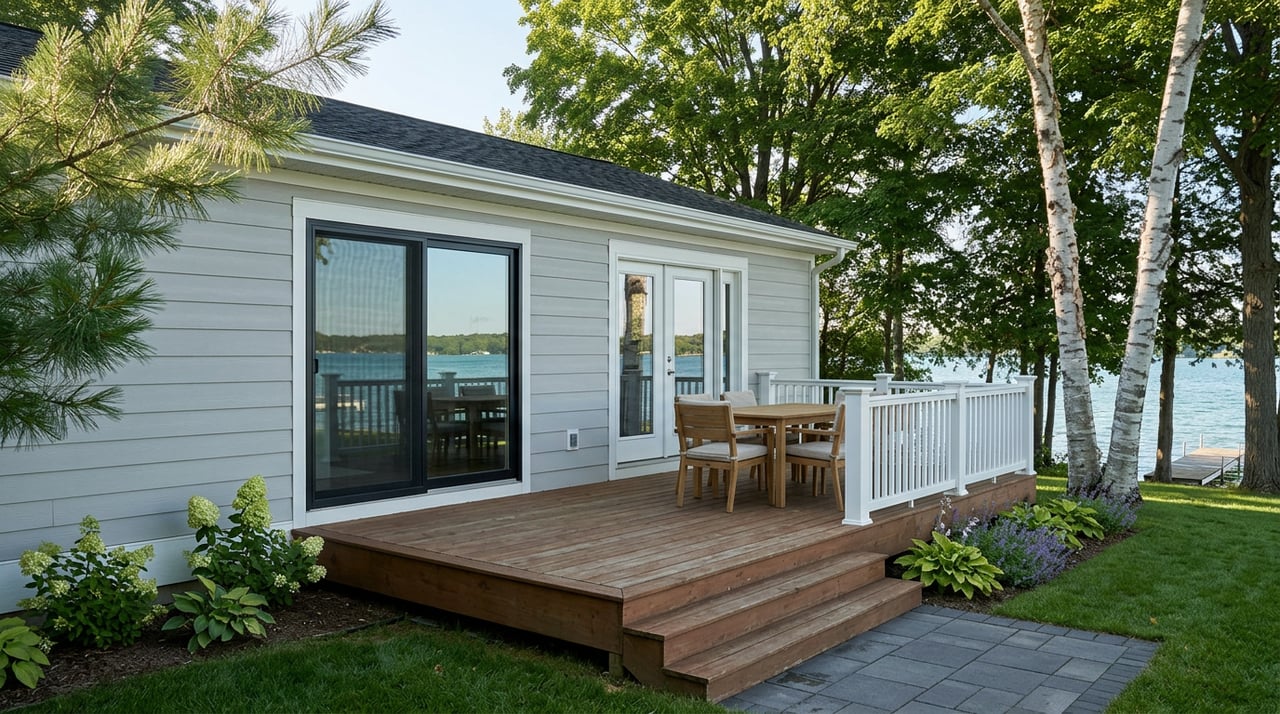
Thinking about a Lake Leelanau cottage that helps pay for itself? Short-term rentals can unlock that vision, but the rules shift from township to township across the Leelanau Peninsula. You want clear answers before you count on rental income. In this guide, you’ll learn how local permits work, what taxes and safety rules apply, how seasonality impacts cash flow, and the exact steps to vet a property. Let’s dive in.
How STR rules vary by township
Short-term rentals are legal on the Leelanau Peninsula, but the rules are set locally. Each village or township can define permits, caps, occupancy, and enforcement. Two similar homes on the same lake can have very different STR options depending on the boundary they sit in. Start by confirming the property’s jurisdiction on the county’s Leelanau County townships index.
Examples you can model against
Suttons Bay Township has a structured program with a 150-permit cap, a $200 annual fee, applications processed beginning March 1, and permits that are not transferable on sale. The township uses a 24/7 complaint hotline via a third party. You can see the details on the Suttons Bay Township short-term rental program.
Leelanau Township ties allowable occupancy to the number of bedrooms approved on a Health Department or Building Permit and caps total occupancy. That reflects common public-health and septic-capacity limits. Review the Leelanau Township STR ordinance overview.
Other municipalities like the Village of Suttons Bay, Village of Northport, Elmwood Township, Leland Township, and Empire Township have adopted or updated STR rules. Local reporting tracks ongoing changes and moratoria, such as this Leelanau Ticker overview of local ordinances.
Key takeaway: Permit availability, transfer rules, and occupancy limits can vary block by block. Always verify the exact parcel’s rules and the current permit status before you underwrite rental income.
Taxes, fees, and safety you must budget for
State and local taxes
Michigan requires collection and remittance of the 6% use tax on lodging stays under 30 days. If your booking platform does not collect it for you, you must register and remit directly. See the state’s guidance on Michigan use tax for lodging.
Some jurisdictions layer on local lodging or accommodations taxes and special assessments. Do not assume the state tax is the only tax. Check with the local treasurer or review compliance summaries like the Michigan STR tax overview and Leelanau County jurisdiction page for context, then confirm locally.
Permits, inspections, and fines
Most townships require annual permits or registrations, renewal windows, and fees. Suttons Bay, for example, charges $200 per year and operates on a first-come basis within a capped program. Details are posted on the Suttons Bay STR page.
Many programs include complaint procedures and penalties for violations. Plan for the time and cost of applications, inspections, and potential remediation.
Life safety and environmental items
Expect requirements for smoke and CO alarms, fire extinguishers, posted occupancy limits, and proof that septic and well systems match the intended guest load. Some ordinances, like Leelanau Township’s, tie occupancy directly to approved bedroom counts. Review the Leelanau Township ordinance overview and budget for any septic upgrades or seasonal winterization.
Insurance and liability
Standard homeowners policies often exclude short-term rental activity. Get quotes for a rental endorsement or a policy that explicitly covers STR use. Many ordinances also require a local contact person. Having reliable local support can help with both compliance and claims.
Seasonality and demand you should expect
Leelanau is a strong seasonal market. Peak demand runs late spring through summer, with solid fall weekends for foliage and wineries. Winter demand is lower, aside from holidays and special events. County information and park calendars can help you plan around boating season, the wine trail, and Sleeping Bear visitation; the Leelanau County portal is a useful starting point for local context.
How does this compare to Traverse City? Traverse City supports more year-round travel, larger events, and a denser visitor base. Leelanau lake homes can command premium summer rates, but off-season gaps are common. If you want steadier occupancy across all months, review the regulatory and demand notes for Traverse City via resources like this Traverse City STR regulations overview and weigh that against your goals.
Due diligence checklist before you write an offer
Use this step-by-step process to protect your plan and budget.
- Confirm the property’s exact jurisdiction
- Use the Leelanau County townships list to identify whether the parcel sits in a village or township.
- Contact the local zoning administrator
- Ask: Is a short-term rental allowed at this address? Are there permit caps or waitlists? When is the application window? Are permits transferable on sale? What are occupancy limits, inspection requirements, and fines for violations?
- Verify any existing STR status with the seller
- Request a copy of the current permit, any complaint or enforcement history, and written clarity on transferability. Suttons Bay, for example, is clear that permits are not transferable; see the Suttons Bay STR program.
- Confirm septic, well, and occupancy limits
- Pull Health Department approvals and septic design details. In some places, like Leelanau Township, occupancy is tied to approved bedroom count. Review the Leelanau Township STR page.
- Check for HOA or deed restrictions
- Even if the township allows STRs, HOA bylaws or recorded covenants can prohibit or limit them. Get documents early in your contingency period.
- Map your tax obligations
- Determine who will collect the 6% state use tax and whether any local lodging tax applies. If needed, register with the Michigan Department of Treasury using the use tax guide.
- Model conservative income
- Use paid STR analytics and local manager input to estimate summer ADRs, shoulder-season pricing, minimum stays, and likely winter gaps. Build cash-flow scenarios that account for seasonal swings.
- Line up insurance and local support
- Get coverage that explicitly includes short-term rentals and identify a reliable local contact or manager if your ordinance requires one.
Quick-start action list
Use this checklist when you find a property you like in Lake Leelanau:
- Look up the parcel’s township or village on the Leelanau County index.
- Call the zoning office and ask about: permit availability, caps or moratoria, transferability on sale, occupancy rules tied to bedrooms or septic, inspection timing, and fine schedules.
- Download the permit application from the township’s STR page and review timelines and fees. For a concrete example of what to expect, see the Suttons Bay application and rules.
- Confirm tax collection responsibilities using the state’s use tax guidance and ask the local treasurer if any additional lodging assessments apply.
What makes a Leelanau STR more rentable
- Waterfront or deeded lake access often lifts summer rates and booking pace.
- Reliable parking and easy access are a plus, especially on narrow shore roads.
- Septic and water systems sized for your guest count reduce risk and complaints.
- Clear sleeping arrangements that match permitted occupancy support positive reviews.
- Off-season comforts like efficient heating, driveway snow removal, and a winterization plan can extend your booking window.
- A compliant listing that displays the local permit number and a local contact is often required by ordinance. Review expectations on pages like the Suttons Bay STR program and occupancy references in Leelanau Township.
The bottom line for Lake Leelanau buyers
Short-term rentals on the Leelanau Peninsula can work well when you choose the right property and plan around local rules and seasonality. The biggest wins come from doing the homework up front: confirm jurisdiction, understand the permit path and transfer rules, size occupancy to your septic and bedroom approvals, and run conservative income models.
If you want a second home near Lake Leelanau that can responsibly host guests, let’s talk through your goals and map a game plan that fits today’s rules. For local, waterfront-focused guidance, connect with Mike Annelin.
FAQs
Are short-term rentals legal on the Leelanau Peninsula?
- Yes, STRs are legal but governed locally by each township or village; start your research on the Leelanau County townships index.
Do short-term rental permits transfer when I buy in Suttons Bay Township?
- No; Suttons Bay Township states permits are not transferable and runs a capped, first-come annual program with a $200 fee and defined application window, per the township’s STR page.
How is occupancy defined for STRs in Leelanau Township?
- Occupancy is tied to bedroom counts approved on Health Department or Building Permits and capped by ordinance; see the Leelanau Township STR overview.
What taxes apply to short-term stays in Michigan?
- The state’s 6% use tax applies to lodging stays under 30 days, and some jurisdictions may add local lodging or accommodations taxes; review the Michigan use tax guide and confirm locally.
How does Lake Leelanau seasonality impact income potential?
- Expect peak demand in late spring and summer, strong fall weekends, and quieter winters; model uneven cash flow and keep a reserve for slow months, using local calendars via the county portal.
Is Traverse City better for year-round STR income than Leelanau?
- Often yes; Traverse City draws more year-round visitors and events, while many Leelanau locations are highly seasonal; review context like this Traverse City regulations overview as you compare markets.