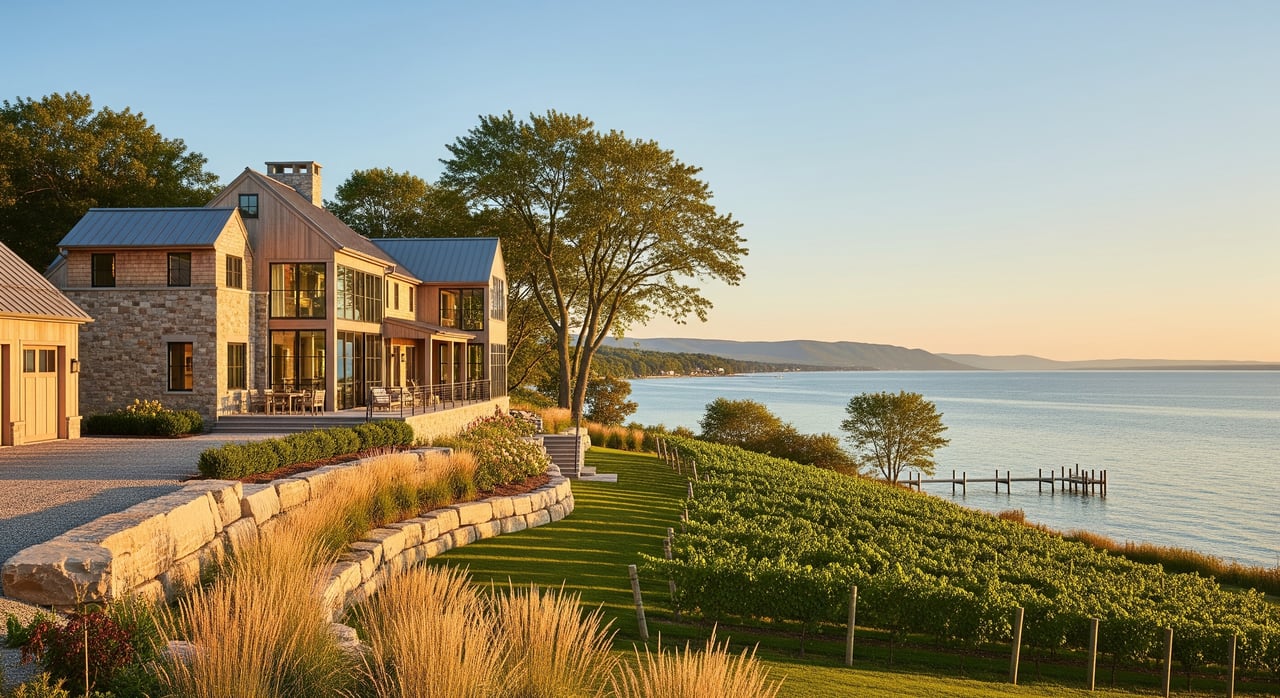
Shopping for a home on Old Mission Peninsula can feel exciting and a little overwhelming. You’re choosing between waterfront, vineyard‑adjacent, and view properties in one of Northern Michigan’s most unique settings, all while trying to time the market. You want clear, local guidance so you can move confidently and avoid surprises. This guide breaks down the micro‑markets, seasonality, and due diligence that matter most in zip 49686, then gives you a simple plan to search, evaluate, and buy with confidence. Let’s dive in.
Why Old Mission Peninsula stands out
Old Mission Peninsula is a narrow stretch north of Traverse City with a mix of full‑time homes, second homes, vacation rentals, and active agricultural land. The Old Mission Peninsula American Viticultural Area supports a cluster of wineries and vineyards that shape both lifestyle and market demand. You benefit from close access to Traverse City amenities while enjoying a quiet, scenic setting.
Tourism and winery events bring year‑round activity, which can support rental demand in some neighborhoods and increase traffic during peak seasons. Narrow and private roads, winter conditions, and a mix of public and private shoreline also affect how properties live day to day. Understanding these details helps you target the right fit from the start.
Know your micro‑markets
Waterfront
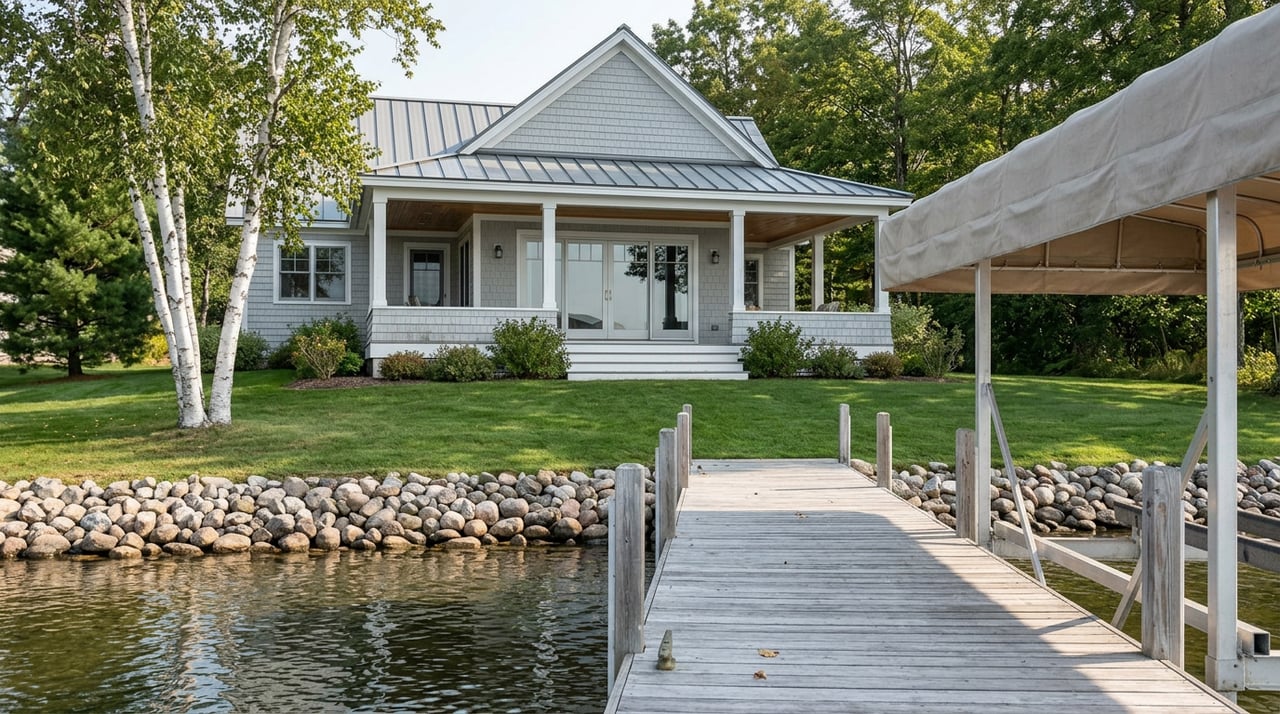
Waterfront parcels on East or West Grand Traverse Bay carry a premium. You get direct bay access and sunset or sunrise views, but you also take on shoreline stewardship. Plan ahead for permitting if you want to add or modify docks, piers, or seawalls, and inspect existing shoreline structures for condition and maintenance needs.
Common checks include riparian rights, shared beach agreements, erosion patterns, and flood risk. Review flood zone status early and budget time for any required state or county approvals tied to shoreline work.
Waterview
Waterview homes offer panoramic bay views without direct frontage. You typically see lower maintenance and fewer shoreline permits compared to true waterfront. Confirm view corridors, vegetation rules, and neighboring build potential so you understand how your view might evolve over time. Many buyers prefer waterview properties for the balance of scenery and simpler ownership.
Vineyard‑adjacent and agricultural
Parcels near or within vineyard areas offer privacy and a classic OMP landscape. You’ll want to understand agricultural operations like spraying schedules, harvest activity, and event traffic at nearby wineries. Ask about any conservation or farmland programs, agricultural easements, or winery expansion plans that could affect your use and enjoyment. If you plan to farm, bring in an agricultural consultant to evaluate soils, drainage, and feasibility.
Interior residential
These are conventional single‑family homes away from shore and vineyards. They often align easily with standard financing and can be less seasonally constrained. Interior homes still benefit from fast access to the water and wineries, and may offer larger lots or simpler maintenance for second‑home owners.
Seasonality and timing
Peak season (May through August)
Listings and showings climb in late spring and peak in summer. This is when waterfront shines and when buyers are most active. Well‑priced waterfront and premium view homes can move quickly, so have financing or proof of funds ready and expect shorter decision windows in competitive segments.
Off‑season advantages (late fall through winter)
Competition tends to ease in late fall and winter. You may find motivated sellers and price adjustments, especially in segments with fewer year‑round showings. The trade‑off is that snow and ice can make it harder to evaluate landscaping and shoreline conditions. If you shop off‑season, plan for follow‑up site checks once snow recedes.
How days on market behave
Waterfront and premium waterview listings often post shorter days on market in peak months, with marketing times lengthening in the shoulder and winter seasons. Luxury properties can behave differently, with fewer comparable sales, longer timelines, and more variation in negotiation. Always check current local MLS reports for up‑to‑date metrics so you can calibrate your offer strategy.
Due diligence essentials on OMP
Shoreline and water rights
For waterfront and some waterview parcels, verify permits and maintenance for any docks, piers, boathouses, or shoreline structures. In Michigan, shoreline alterations typically involve county or state approvals, and certain projects may require guidance from the Michigan Department of Environment, Great Lakes, and Energy. Confirm riparian rights and any shared or private beach agreements in title work, and assess erosion and wave action history with a structural or shoreline specialist. Review your flood zone status using the FEMA Flood Map Service Center and discuss insurance implications early.
Key resources:
- Learn about shoreline and wetland permitting through the Michigan Department of Environment, Great Lakes, and Energy.
- Check flood zones on the FEMA Flood Map Service Center.
Septic, wells, and utilities
Many properties rely on private wells and septic systems. Ask for septic permits, pump and inspection records, and well yield and water quality history. The Grand Traverse County Health Department is the primary source for septic and well records. Confirm electrical service, propane options, and internet and cell coverage by provider, especially in more rural stretches of the peninsula.
- Verify records with the Grand Traverse County Health Department.
Roads and winter access
Roads can be public or private. On private or association roads, review maintenance agreements and the cost history so you know who plows, repairs, and funds the work. Steep driveways and drifting snow can shape how you use the property in winter, especially if it will be a second home.
Vineyard neighbors and events
Proximity to vineyards adds scenic value, but you should expect seasonal agricultural activity. Ask about spraying windows, harvest timing, and event schedules at nearby wineries. Review any zoning details, conservation easements, or agricultural programs on your parcel and adjoining land so you understand long‑term plans and buffers.
For industry context on the AVA and wine region:
- Explore AVA information via the Alcohol and Tobacco Tax and Trade Bureau.
Short‑term rental rules
If you plan to rent your home, confirm local rules with the township or county. Registration, taxes, and zoning restrictions vary by area and can change. Demand is often stronger near tourism attractions, which also means you may see more oversight. Get the details in writing before you close.
Insurance and taxes
Waterfront and seasonal properties can carry higher homeowner, flood, or wind insurance premiums. Get quotes early, including flood if applicable. For parcels with agricultural elements, ask the local assessor about current tax status and any programs or deferred tax arrangements that could affect your bill or future options.
- Start with the Grand Traverse County website for assessor and GIS contacts.
Inspections to plan
Plan a full home inspection, a septic inspection or pressure test, a well water test with flow measurement, and a shoreline structural review when applicable. Order a survey to clarify boundaries and riparian claims, especially on the water. For vineyard properties, consider an agricultural consultant to evaluate neighboring operations and any active leases.
Smart search strategy for 49686 buyers
Set your timeline
If your priority is a premium waterfront or view property, start watching the market in early spring and be ready to move when the right home appears. If you have timing flexibility and want value, late fall and winter can open more negotiation room with less competition. If vineyard adjacency is on your list, visit in different seasons to experience spraying, harvest, and event traffic firsthand.
Financing and offer prep
Second‑home and investment financing often comes with different terms, including higher down payments or rates. Get pre‑approval with a lender experienced in Northern Michigan properties so you understand loan type, occupancy requirements, and timing. For luxury purchases, budget a slightly longer contingency window for specialty inspections, surveys, and title review while keeping your offer compelling in competitive situations.
Negotiation and contingencies
Protect your interests with targeted contingencies. For waterfront or rural parcels, include septic and well functionality, shoreline condition, and survey results as part of your due diligence. On vineyard‑adjacent properties, consider a clause that allows consultation with an agricultural expert about spray zones, operations, and any active leases. Work with your agent to balance protection with speed.
Assemble the right local team
Your core team should include a local real estate agent experienced with OMP and waterfront transactions, a home inspector comfortable with shoreline and rural systems, a surveyor, and when needed, a civil or structural engineer for seawalls or piers. An attorney can help review title, shoreline easements, and road agreements. This team helps you move quickly and smartly when a great listing appears.
Where to find current data
Use local sources to get up‑to‑date numbers and parcel details before you write an offer or set expectations:
- Local MLS reports from the Grand Traverse area for fresh data on median prices, inventory, and days on market.
- The National Association of Realtors for national seasonality context that can inform timing.
- The Grand Traverse County website for assessor, GIS maps, and tax history.
- The Traverse City Record‑Eagle for neighborhood news and development coverage that can influence demand.
Ready to explore Old Mission Peninsula?
You do not have to navigate this market alone. With local insight, a focused search plan, and the right due diligence, you can secure a home that fits your lifestyle and long‑term goals. If you are comparing waterfront, waterview, or vineyard‑adjacent options, a local guide who knows the roads, shoreline rules, and seasonality can save you time and stress.
If you are ready to talk strategy or want a curated list of current opportunities in 49686, reach out to Mike Annelin. Let’s line up tours, pull current MLS snapshots, and create a plan that gets you from research to keys in hand.
FAQs
What should 49686 waterfront buyers check first on Old Mission Peninsula?
- Start with riparian rights, shoreline condition, and flood zone status, then confirm any permits for docks, piers, or seawalls and get quotes for insurance early.
How does seasonality affect buying on Old Mission Peninsula?
- Listings and competition peak in late spring and summer, while late fall and winter can bring fewer buyers, more negotiation room, and occasional price adjustments.
Are private roads common on Old Mission Peninsula and who handles maintenance?
- Many areas include private or association roads; review maintenance agreements to confirm who plows, repairs, and funds the road and driveway upkeep.
What due diligence is unique to vineyard‑adjacent homes in 49686?
- Ask about spraying schedules, harvest activity, event traffic, easements, and any agricultural programs or plans that could affect your parcel or neighboring land.
Do many Old Mission Peninsula homes use wells and septic systems?
- Yes, many properties have private wells and septic; verify permits and inspection history and order a septic inspection, well water test, and flow measurement.
Where can I find reliable flood and shoreline guidance for OMP?
- Use the FEMA Flood Map Service Center for flood zones and consult the Michigan Department of Environment, Great Lakes, and Energy for shoreline and wetland permitting guidance.