If you picture Northern Michigan living as a mix of scenic drives, bay views, and a slower daily rhythm, Old Mission Peninsula likely feels very close to that image. This is a place where water, orchards, and vineyards are part of the everyday backdrop, not just something you visit on the weekend. If you are thinking about buying a home here, relocating, or simply trying to understand the area better, this guide will help you see what life on the peninsula really looks like. Let’s dive in.
Old Mission Peninsula at a Glance
Old Mission Peninsula is the defining landform of Peninsula Township, stretching about 16 miles into Grand Traverse Bay. It ranges from roughly one to three miles wide and includes about 42 miles of Great Lakes shoreline. That geography creates the striking views many people associate with the area.
The setting feels small-scale, even though it is directly connected to Traverse City. Peninsula Township had a population of 6,068 in the 2020 census, which helps explain why the area often feels quieter and more open than in-town neighborhoods. You get a strong sense of space here, shaped by rolling hills, valleys, wetlands, and bluffs that rise more than 200 feet above lake level.
Scenic Landscape Shapes Daily Life
Life on Old Mission Peninsula is heavily influenced by the land itself. The township master plan notes that 34% of Peninsula Township is protected land, which helps preserve the rural and scenic character people value. That protection also means the peninsula looks and feels different from more built-up parts of the Traverse City area.
You will notice that the drive is part of the experience. Vineyards, orchards, farmland, and water views often frame the route, especially along M-37, also known as Center Road. The township identifies M-37 as the main north-south thoroughfare and the only primary route on and off the peninsula.
That road structure matters in practical terms. Limited road capacity and seasonal tourism can create congestion during peak periods, so peninsula living tends to be more car-dependent and less convenience-driven than living in town. For many buyers, that is part of the appeal, but it is important to understand before making a move.
Wine Country Is Part of Everyday Living
Old Mission Peninsula is not simply near wine country. It is wine country. The area has been a federally recognized American Viticultural Area, or AVA, since June 8, 1987.
That designation reflects the peninsula’s real agricultural identity. According to township planning documents, the area’s farming history began with cherries and apples, and Chateau Grand Traverse became the first commercial vineyard and winery on the peninsula in the 1970s. Today, vineyards and agricultural land remain central to the landscape.
The climate plays a big role in that story. The bays help moderate temperatures, which can protect buds from early and late frosts and extend the growing season. That same lake-influenced climate supports grapes such as Riesling, Pinot Grigio, Pinot Noir, Chardonnay, and Cabernet Franc.
For you as a resident, that means the agricultural setting is woven into daily life. You are not just close to tasting rooms and vineyard views. You are living in a place where farming, preservation, and seasonal beauty shape the scenery in every direction.
Water Access and Outdoor Time
Water is one of the peninsula’s biggest draws, but public access is more limited than some buyers expect. Peninsula Township states that Haserot Beach is the only improved public beach access on Old Mission Peninsula. If easy public beach access is high on your list, that is a detail worth knowing early.
Outdoor recreation is still a major part of life here. It is simply spread out across the peninsula rather than centered in one downtown area. That creates a more dispersed, nature-focused pattern of recreation.
Parks and Trails to Know
Mission Point Lighthouse Park sits at the tip of the peninsula and supports year-round use. People head there for hiking, beach access, and cross-country skiing in winter.
Old Mission State Park adds even more room to explore. It covers 679.3 acres and includes 12 miles of trails that connect to Lighthouse Park. This connected trail system helps give the peninsula a four-season outdoor identity.
Other parks serve everyday recreation needs in different ways:
- Bowers Harbor Park offers courts, fields, playgrounds, and paved walking paths.
- Archie Park provides pedestrian water access on East Bay.
- Haserot Beach is the peninsula’s only improved public beach access.
Boating Access and Seasonal Reality
If boating is part of your lifestyle, access exists but can be limited and seasonal. The former boat launch at Haserot was destroyed in a storm and is no longer usable. Peninsula Township also identifies Kelley Park as a proposed future boat-launch location.
There is also a DNR boat launch site at East Shore Road and M-37. Still, planning documents note that peak-season demand can create spillover parking and safety issues near launch areas, especially along M-37. In other words, summer on the peninsula can be beautiful and busy at the same time.
The Rhythm of the Seasons
Old Mission Peninsula has a very seasonal feel, and that rhythm shapes how the area lives. Summer brings boating activity, beach visits, and winery traffic. Roads can feel busier, especially because the peninsula relies so heavily on one main corridor.
Winter brings a noticeable shift. The trail system near Mission Point Lighthouse Park and Old Mission State Park stays active for hiking and cross-country skiing, while roads and public spaces generally feel quieter. For many residents, that contrast is one of the area’s strongest qualities.
Spring and fall often highlight the agricultural side of the peninsula. Because the bays help lengthen the growing season, the land stays active and visually interesting well beyond the height of summer. If you enjoy a place that changes in a meaningful way throughout the year, this area offers that in a big way.
What Homes Often Feel Like Here
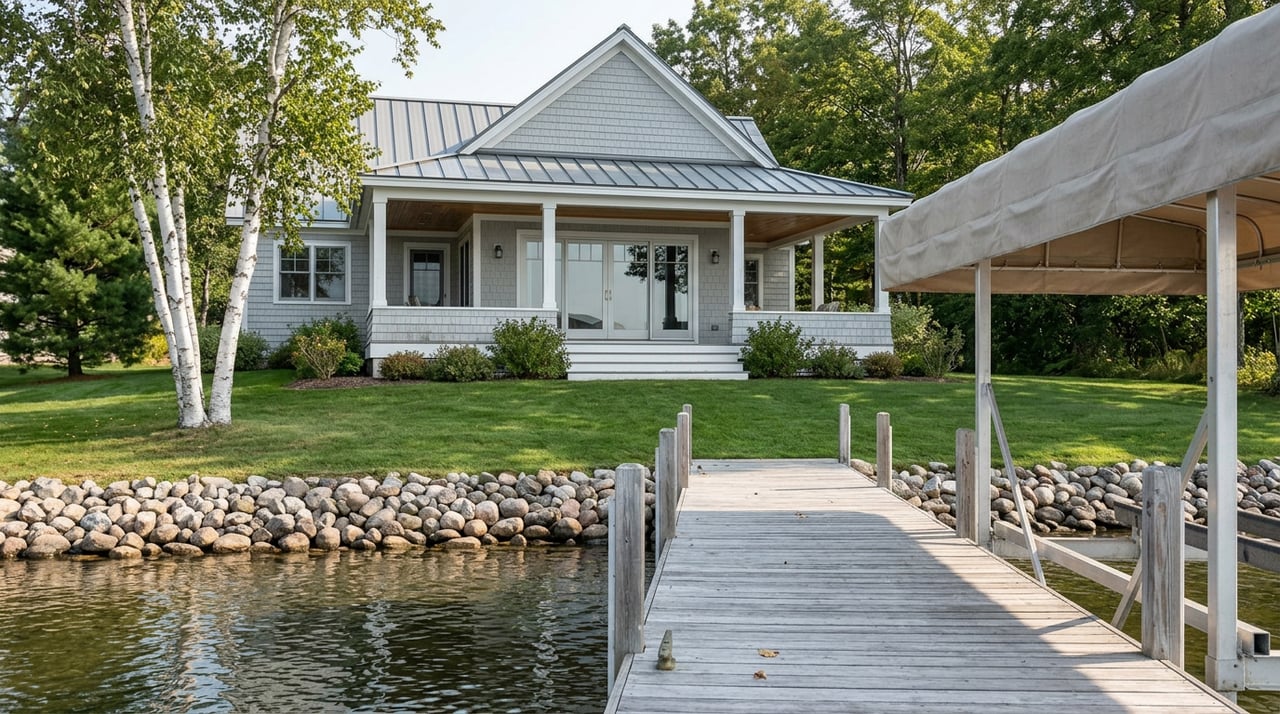
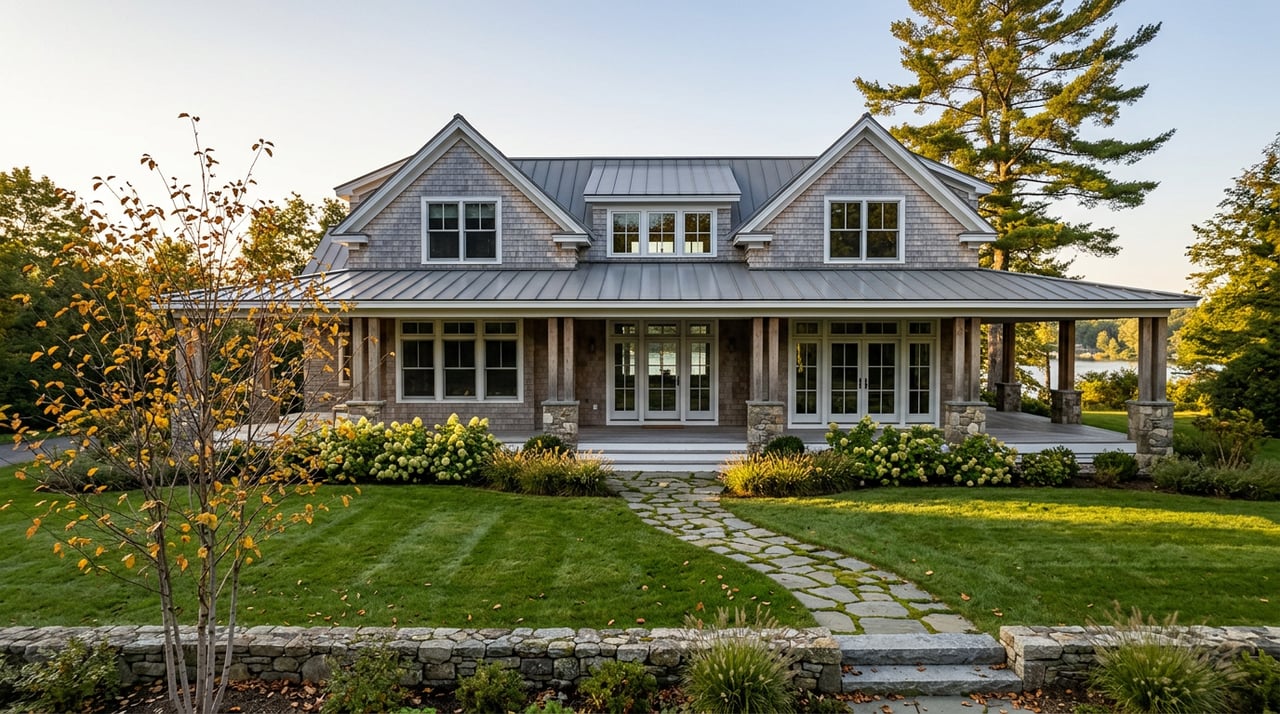
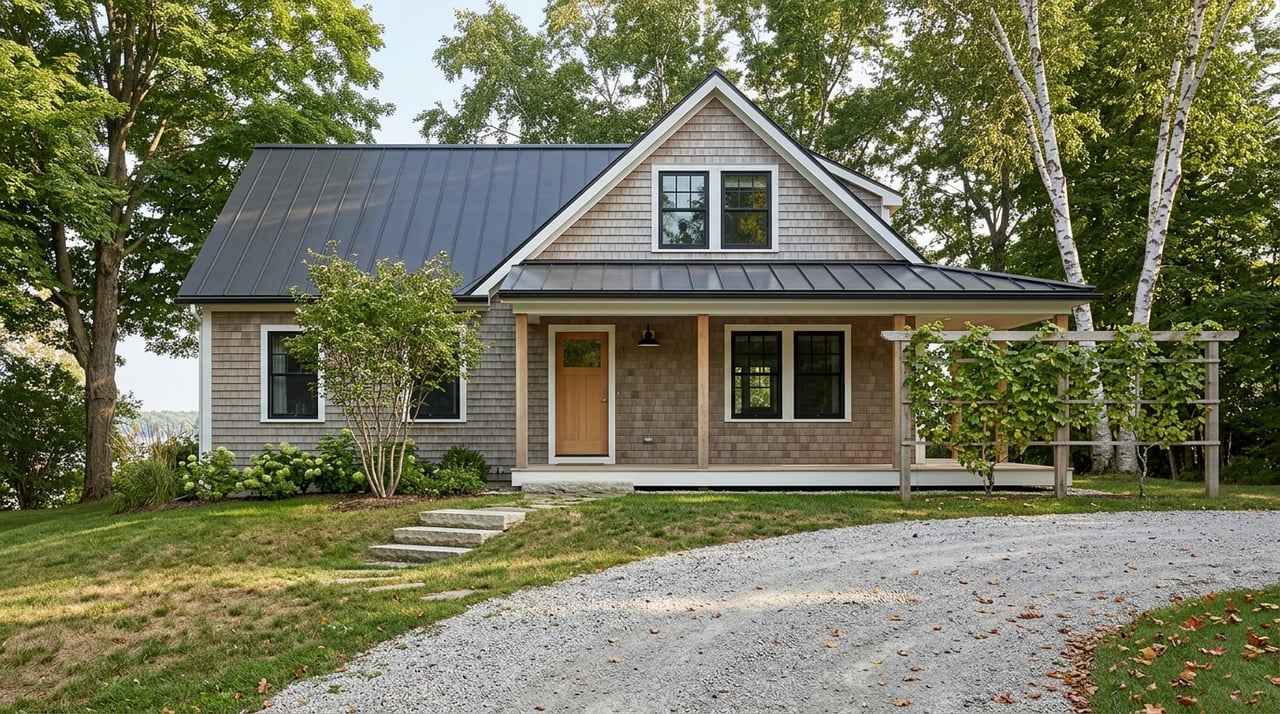
Old Mission Peninsula is not a dense village setting. Based on the township’s land use and geography, home settings are more likely to include hillside view properties, shoreline homes, orchard- or vineyard-adjacent parcels, and smaller pockets of more suburban residential development closer to the Traverse City end of the peninsula.
That creates a housing experience that feels highly tied to the land. Views, topography, road access, and proximity to water can shape the feel of one property very differently from the next. Two homes with the same address area can offer very different daily experiences depending on where they sit on the peninsula.
Compared with in-town Traverse City, the peninsula usually feels more landscape-oriented and less convenience-oriented. For many buyers, the tradeoff is worth it because the setting is the point. If you want your home search to be driven by views, open space, and a strong sense of place, Old Mission Peninsula stands out.
What to Consider Before You Move
Before buying on Old Mission Peninsula, it helps to think beyond the photo-worthy views. The area offers a distinctive lifestyle, but it also asks you to be comfortable with a few practical realities.
Here are a few smart questions to keep in mind:
- How important is quick access to town for your daily routine?
- Are you comfortable with seasonal traffic on M-37?
- Do you want direct water access, public beach access, or just water views?
- Would you enjoy a setting shaped by agriculture and protected land?
- Are you looking for a year-round home, a second home, or a retreat-style property?
These questions can help narrow your search and clarify what kind of peninsula property fits you best. In a place like Old Mission, lifestyle fit matters just as much as square footage.
Why Old Mission Appeals to Buyers
For many buyers, Old Mission Peninsula offers a rare mix of natural beauty and everyday livability. You are close to Traverse City, but your surroundings can feel far more rural and scenic. That balance is part of what makes the area so compelling.
The peninsula also appeals to people who want more than a house. They want a setting. They want a drive lined with orchards and vineyards, year-round access to trails and shoreline, and a home experience shaped by water and views.
If that sounds like your version of Northern Michigan, Old Mission Peninsula deserves a serious look. It is one of those places where the landscape is not just part of the background. It becomes part of how you live.
If you are thinking about buying or selling on Old Mission Peninsula, working with someone who understands both the lifestyle and the market can make the process much smoother. Mike Annelin brings local Traverse City knowledge, a high-touch approach, and deep experience helping clients navigate Northern Michigan properties with confidence.
FAQs
What is Old Mission Peninsula like for everyday living?
- Old Mission Peninsula feels scenic, rural, and closely tied to the land, with rolling hills, bay views, protected open space, and a more car-dependent lifestyle than in-town Traverse City.
Is Old Mission Peninsula a real wine region?
- Yes. Old Mission Peninsula has been a federally recognized American Viticultural Area since 1987, and vineyards remain a major part of the landscape.
What public beach access is available on Old Mission Peninsula?
- Haserot Beach is the only improved public beach access on the peninsula, according to Peninsula Township.
Can you boat from Old Mission Peninsula?
- Yes, but access is somewhat limited and seasonal. There is a DNR boat launch site at East Shore Road and M-37, and peak-season parking near launch areas can be tight.
Does Old Mission Peninsula have winter recreation?
- Yes. Mission Point Lighthouse Park and the connected Old Mission State Park trail system support year-round outdoor use, including hiking and cross-country skiing.
What kinds of homes are common on Old Mission Peninsula?
- Home settings often include shoreline homes, hillside view properties, orchard- or vineyard-adjacent parcels, and some more suburban residential pockets closer to the Traverse City end of the peninsula.