Thinking about trading Chicago’s skyline for Traverse City’s shoreline? If you are craving four seasons, freshwater, and a smaller-city pace without giving up great food and culture, this move can be a smart fit. Relocating across states takes planning though, from timing your sale and purchase to understanding septic, wells, snow removal, and seasonality. This guide gives you a clear timeline, local insights, and practical checklists so you can move with confidence. Let’s dive in.
Why Traverse City appeals to Chicago movers
Traverse City sits on Grand Traverse Bay with a walkable downtown, nearby wineries, and quick access to trails and beaches. You get four true seasons, from snowy winters to warm lake-moderated summers and colorful falls. The area blends a year-round community with a strong seasonal economy that brings festivals and visitors.
If you work remotely, the lifestyle is a draw. Many buyers choose waterfront, a quiet subdivision near schools, or rural acreage for space and privacy. Your best fit depends on how you plan to live, commute, and enjoy the outdoors.
A step-by-step move timeline
Relocations usually happen over several months. Use this framework, then adjust based on your home search and sale.
Months 0–3: Decide and research
- Compare cost of living, taxes, and remote work needs.
- Define lifestyle priorities like waterfront access, walkable downtown, or rural acreage.
- Scan current inventory and note seasonality. Summer brings more listings and competition, while fall and winter bring fewer listings and sometimes more motivated sellers.
Months 1–4: House hunt and make an offer
- Start with remote tours to refine your list, then plan a 2–3 day in-person trip to see top properties.
- If you want waterfront or a seasonal cottage, start early. Summer inventory moves quickly.
- Get pre-approved with a lender who understands rural and waterfront properties, including wells, septic, and unique appraisal needs.
Selling your Chicago home while buying here
- Typical sell timelines range from 2–4 months to list and close, but this varies by market conditions and prep work.
- Coordinate closing dates or consider bridge financing, a rent-back, or a purchase contingency for flexibility.
- Work with your listing agent on staging and repairs while you focus on the search in Traverse City.
30–60 days: Closing and move logistics
- Most closings happen in 30–45 days from the accepted offer. Build in travel for inspections and the final walkthrough.
- Line up inspections early. Include septic, well, radon, structural, and HVAC in your contingency.
- Schedule utility transfer, internet setup, and Michigan vehicle and driver license registration. Check the Michigan Secretary of State for current deadlines and requirements.
Movers and travel
- Peak moving season here runs from Memorial Day through Labor Day. Book movers or truck rentals 2–3 months out in summer.
- Expect 5–6 hours of drive time between the Chicago area and Traverse City, longer during winter weather.
- Cherry Capital Airport serves Traverse City with seasonal and year-round connections. Summer flights fill fast, so book early around festivals and peak weekends.
Housing market and neighborhoods
Traverse City is a small regional city. The year-round community and seasonal visitors shape housing demand, especially near the water.
Where to focus
- Downtown Traverse City: Walkable core with historic homes and condos near restaurants and retail.
- Old Mission and Leelanau Peninsulas: Rural residential with wineries and high demand for vacation and second homes, including larger waterfront properties.
- Suburban neighborhoods: Newer subdivisions with typical commutes to downtown and access to schools.
- Rural acreage: Space and privacy, often with private well and septic, and longer drives to services.
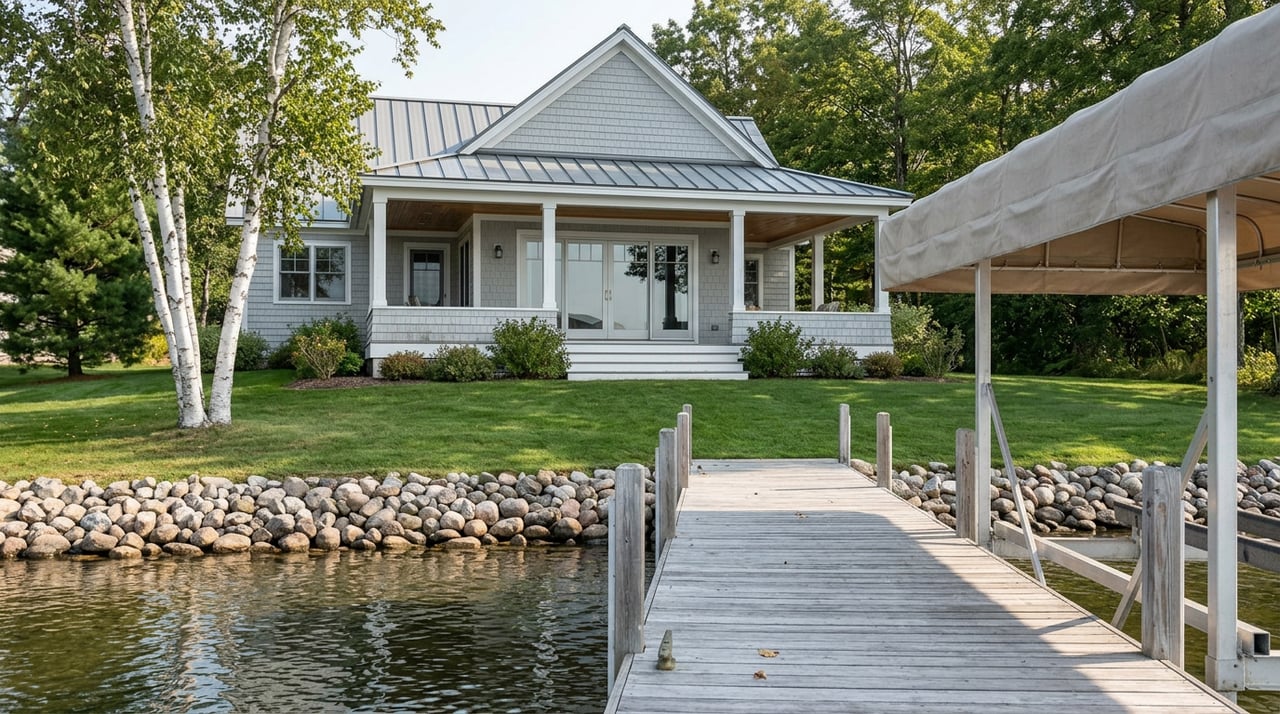
- Waterfront and cottages: Grand Traverse Bay and inland lakes feature a mix of year-round and seasonal properties. Insurance, maintenance, and access vary by shoreline and local rules.
Market patterns to expect
- Summer brings the most listings and buyers. Waterfront and vacation-style homes can be competitive with stronger pricing.
- Spring offers improving selection with milder weather.
- Fall and winter often bring fewer listings and sellers who may be more flexible, though snow and frozen ground can complicate inspections.
Due diligence that differs from Chicago
- Septic systems and drain fields: Verify age, pump records, and condition. Schedule a professional inspection.
- Private wells: Test for water quality, pump condition, well depth, and plan for filtration or softening if needed.
- Shoreline and riparian rights: For waterfront, confirm setbacks, dock permits, and any encroachments. Understand typical lake-level behavior.
- Floodplain status: Check maps if you are close to the bay or inland lakes.
- Insulation and heating: Confirm capacity and efficiency for cold winters, especially in older homes.
- Road access and snow removal: Learn who maintains the road and the driveway. Private roads may require agreements and shared costs.
- Radon testing: Include a radon test as part of your inspection contingency.
Taxes, insurance, and financing
- Property taxes vary by millage and local assessments. Principal residence status affects your tax burden, so confirm details with the county assessor.
- Insurance: Review coverage for freezing pipes, ice dams, water intrusion, and wind or hail. Waterfront locations may require riders or flood insurance.
- Financing: A lender experienced with rural, waterfront, and seasonal homes helps with appraisals and unique property features. Bridge loans or well-timed contingencies can smooth the transition from Chicago.
Travel and getting around
Moving here changes your day-to-day travel pattern.
- Driving from Chicago: Plan on 5–6 hours depending on route, traffic, and winter conditions. Check winter advisories during November through March.
- Flying: Cherry Capital Airport connects to major hubs. For long-haul or international trips, many residents connect through Detroit or Chicago.
- Local transit: Bay Area Transportation Authority operates local routes. Service is most practical within the city and nearby communities.
- Daily commutes: Commute times are often shorter than in Chicago. Many residents travel 20–30 minutes or less by car.
- Car dependency: A personal vehicle is the primary mode of transport. Downtown living supports more walking and biking, but rural addresses require a car.
- New resident tasks: Register vehicles and obtain a Michigan driver’s license within the state’s required timeframe.
Four-season living and home care
Northern Michigan’s weather shapes how you maintain a home and plan your lifestyle.
Winter readiness
- Heating: Confirm furnace or boiler capacity and service history. Many rural homes use propane. Consider a backup power plan for outages.
- Insulation and air sealing: Upgrades improve comfort and costs. Check attic ventilation to reduce ice dams.
- Pipes: Insulate exposed plumbing and use frost-free hose bibs. Winterize seasonal areas if needed.
- Snow: Plan for driveway and walkway clearing. Steep or long rural drives may need a contractor or private equipment.
Spring thaw
- Septic check: Thaw and spring saturation can reveal issues. Schedule inspections after the frost lifts.
- Driveways and wells: Watch for frost heave damage, then confirm well pressure and pump performance.
- Water management: Monitor low spots and drainage. If near water, understand floodplain considerations.
Summer rhythm
- Dock and deck care: Many owners install or service docks and outdoor spaces in late spring or early summer.
- Pest season: Manage mosquitoes and ticks with yard upkeep.
- Outdoor lifestyle: Plan projects ahead. Contractors book up quickly in peak months.
Maintenance schedule
- Service furnace in fall and clean chimneys annually if used.
- Pump septic every 3–5 years based on usage.
- Inspect roofs annually and clean gutters in spring and fall.
- Review insurance annually for regional risks.
Setting up life in Grand Traverse
Here are the essential connections to plan before move-in.
Utilities and internet
- Electricity: City of Traverse City Light & Power serves city addresses. Outlying areas may use regional utilities or co-ops.
- Natural gas and heating fuels: Consumers Energy offers natural gas in many areas. Rural homes may use propane delivery.
- Water and sewer: City addresses connect to municipal systems. Rural properties use private wells and septic.
- Internet: Service levels vary by address. Check speeds before you buy or sign a lease. Fixed wireless and satellite options can help in rural zones.
Healthcare and schools
- Munson Medical Center is the regional hospital with extensive specialty care across Northern Michigan.
- Traverse City Area Public Schools, several charters, and private schools serve the area. Northwestern Michigan College offers higher education and community classes. Use neutral criteria like programs, commute, and scheduling when evaluating options.
Community and lifestyle
- Outdoor recreation includes Sleeping Bear Dunes National Lakeshore, bay and inland lakes, and trail networks.
- Summer brings events and festivals like the National Cherry Festival, which also increase travel demand. Build this into your move timeline.
- Local business groups and newcomer networks can help you find service providers and settle in.
Sample 60-day move plan
- Week 1: Engage a local Traverse City agent. Get pre-approved with a lender familiar with wells, septic, and waterfront.
- Week 2: Shortlist neighborhoods. Request remote tours and disclosures. Book a 2–3 day visit.
- Week 3: In-person showings. Identify inspection needs and any shoreline or floodplain questions.
- Week 4: Write an offer with inspection and appraisal contingencies. Target a close date that aligns with your Chicago sale.
- Week 5: Order inspections, including septic, well, radon, and HVAC. Get quotes for insurance and confirm property tax status.
- Week 6: Negotiate repairs or credits. Finalize financing. Book movers and confirm travel.
- Week 7: Set up utilities, internet, and mail forwarding. Schedule final walkthrough and closing logistics.
- Week 8: Close, move, and register vehicles and licenses in Michigan within the required time frame.
How I help Chicago relocators
You deserve a single point of contact who knows the back roads, the bays, and the paperwork. As a native Traverse City agent with CENTURY 21 Northland, I guide you through remote tours, inspections unique to Northern Michigan, and the timing moves that link your Chicago sale to your Traverse City purchase. I coordinate trusted local vendors for septic, well, radon, and shoreline questions so you can make confident decisions.
My practice combines hometown expertise with national marketing reach. RealTrends has verified production of about 44 sides and approximately $31.9M in volume. CENTURY 21 awards, including Centurion and Double Centurion, reflect consistent results at higher price points. If you want attentive, boutique service backed by a national brand, I am here to help you land smoothly in Northern Michigan.
Ready to map your move from Chicago to Traverse City? Reach out to Mike Annelin to start a custom plan that fits your timeline, budget, and lifestyle.
FAQs
How long does a Chicago to Traverse City move usually take?
- Plan for several months from decision to occupancy. House hunting, inspections, closing, and booking movers each add time, especially in summer.
Do I need a car once I live in Traverse City?
- Yes. Outside the downtown core, the area is car dependent. Many daily commutes are 20–30 minutes by car, and rural homes require personal vehicles.
What is the best season to house hunt in Traverse City?
- Summer has more listings and competition. Spring brings improving selection. Fall and winter often have fewer listings and sometimes more flexible sellers.
Which inspections are essential for Northern Michigan homes?
- Include septic, well, radon, structural, and HVAC. For waterfront, confirm shoreline rights, setbacks, dock permits, and floodplain status.
How does winter affect moving and inspections?
- Snow and ice can slow travel and complicate septic checks due to frozen ground. Build in extra time if moving from November through March.
Can I buy in Traverse City before selling my Chicago home?
- Many buyers use bridge financing, a rent-back, or a contingency offer to align timelines. Discuss options with your lender and agent.
How far is Traverse City from Chicago, and are flights available?
- Driving is typically 5–6 hours. Cherry Capital Airport connects to major hubs, with more seasonal demand in summer and around festivals.