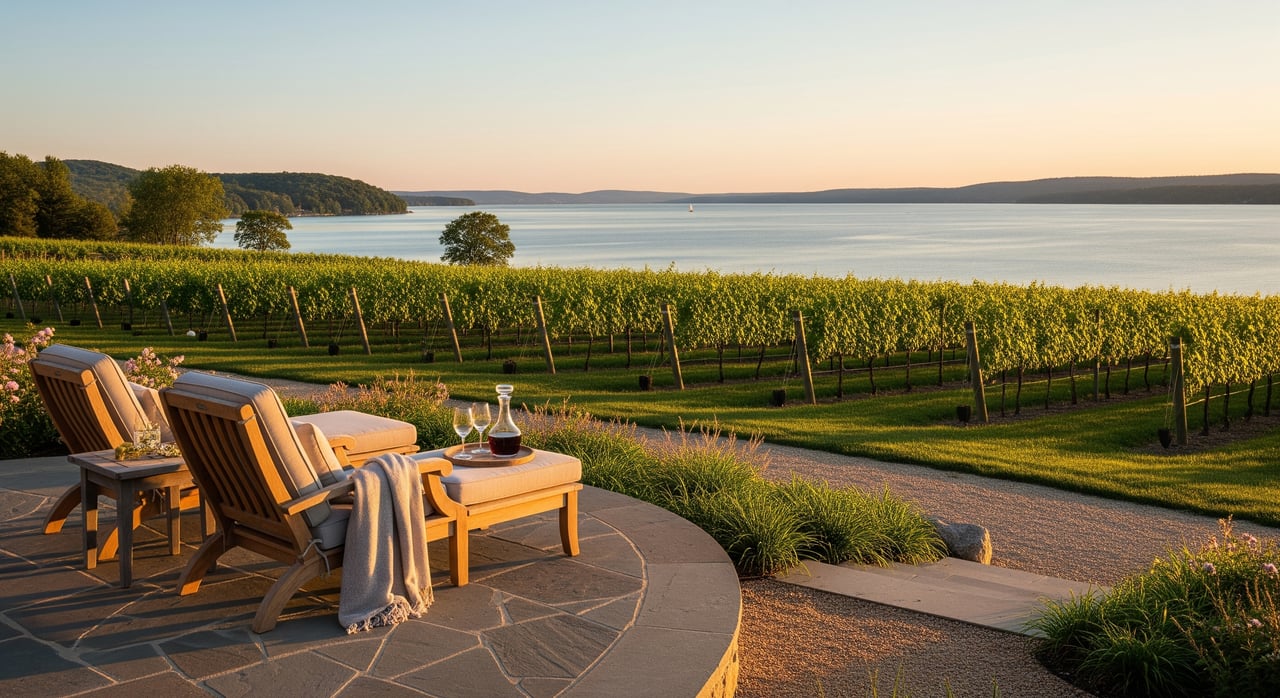
Dreaming of a place where your weekend can start on the water, continue through vineyard hills, and end with a sunset walk on a quiet trail? If Lake Leelanau and the wider Leelanau Peninsula are on your shortlist, you are in good company. Many buyers come for the scenery and stay for the lifestyle. In this guide, you will learn how wineries, water access, and trails shape day‑to‑day life here, and which communities best fit each priority. Let’s dive in.
Why Leelanau fits a lifestyle move
Leelanau Peninsula reaches into Lake Michigan, so the big water helps moderate temperatures. Summers tend to be cooler and winters a bit milder than inland areas, which is ideal for outdoor time and cool‑climate vineyards. The region follows a strong seasonal rhythm. Visitor traffic is busiest from May through October, peaking in late summer, while late fall through spring is quieter. Many businesses keep shorter hours in winter and expand service in summer.
Choose your home base
Lake Leelanau village and shoreline
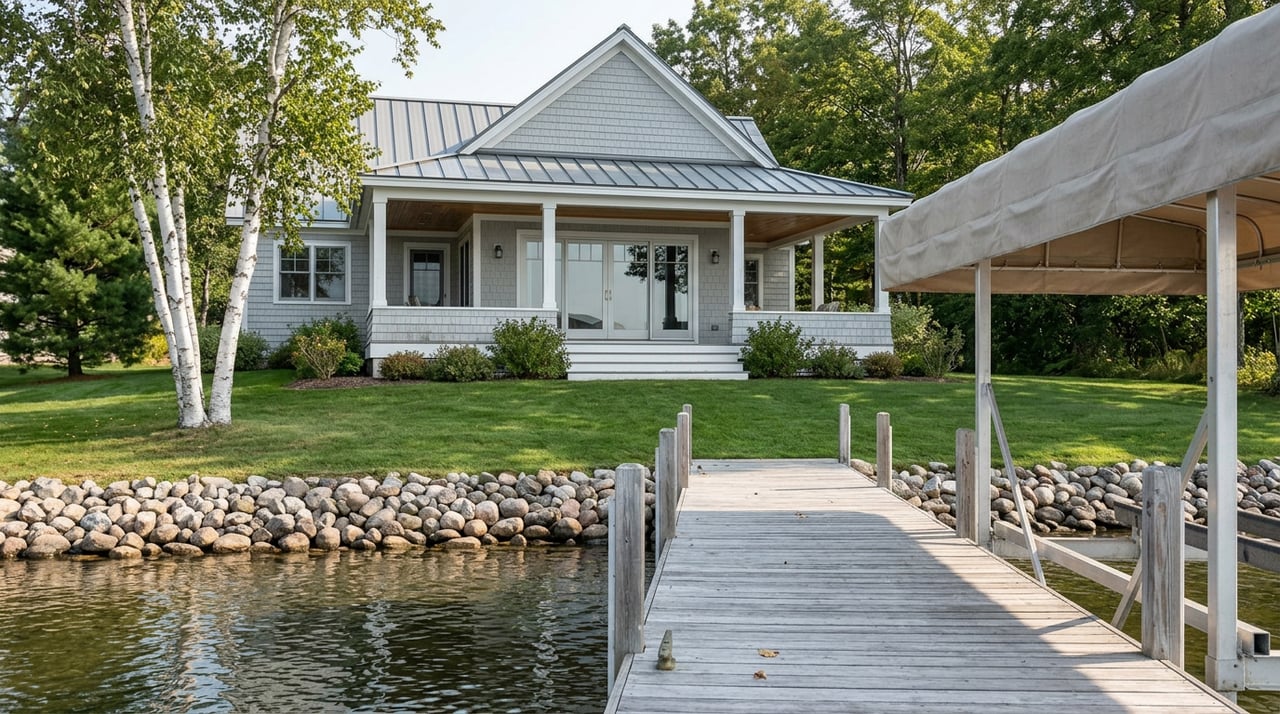
If your top priority is private inland lake living, this is a strong match. Lake Leelanau supports small to mid‑sized powerboats, sailing, paddling, and fishing, with many homes set up for private docks and easy day‑use boating. You will find a mix of lakefront cottages and year‑round homes along the shoreline, plus inland neighborhoods that keep you close to the water without the maintenance of direct frontage.
Suttons Bay and Bingham
This central hub offers a walkable village with restaurants, galleries, and marina access on Grand Traverse Bay. It is a good fit if you want everyday amenities, boating services, and quick access to nearby wineries. Buyers often choose Suttons Bay for an easygoing village lifestyle paired with bay views and a steady calendar of small‑town activity.
Leland and Fishtown
Leland sits on Lake Michigan and the Leland River, with a historic working‑waterfront feel. You get charter fishing access and larger‑lake boating from the harbor, plus a compact village center. Expect a mix of older cottages and in‑town homes that offer a classic maritime vibe with seasonal tourist energy.
Northport and the northern tip
The farther north you go, the more open and rural it feels. Northport and Leelanau Township bring you closer to long shoreline stretches and state park access. If you want space, quiet roads, and proximity to public lands, this area can deliver a peaceful, outdoors‑first lifestyle with larger lots.
Glen Arbor and Empire
These southern peninsula towns place you at the doorstep of Sleeping Bear Dunes National Lakeshore. If you imagine morning hikes, dune overlooks, and beach time just minutes from home, this is the right zone. It is popular with vacation‑home buyers who want trailheads and lake access nearby.
Rural townships and farm country
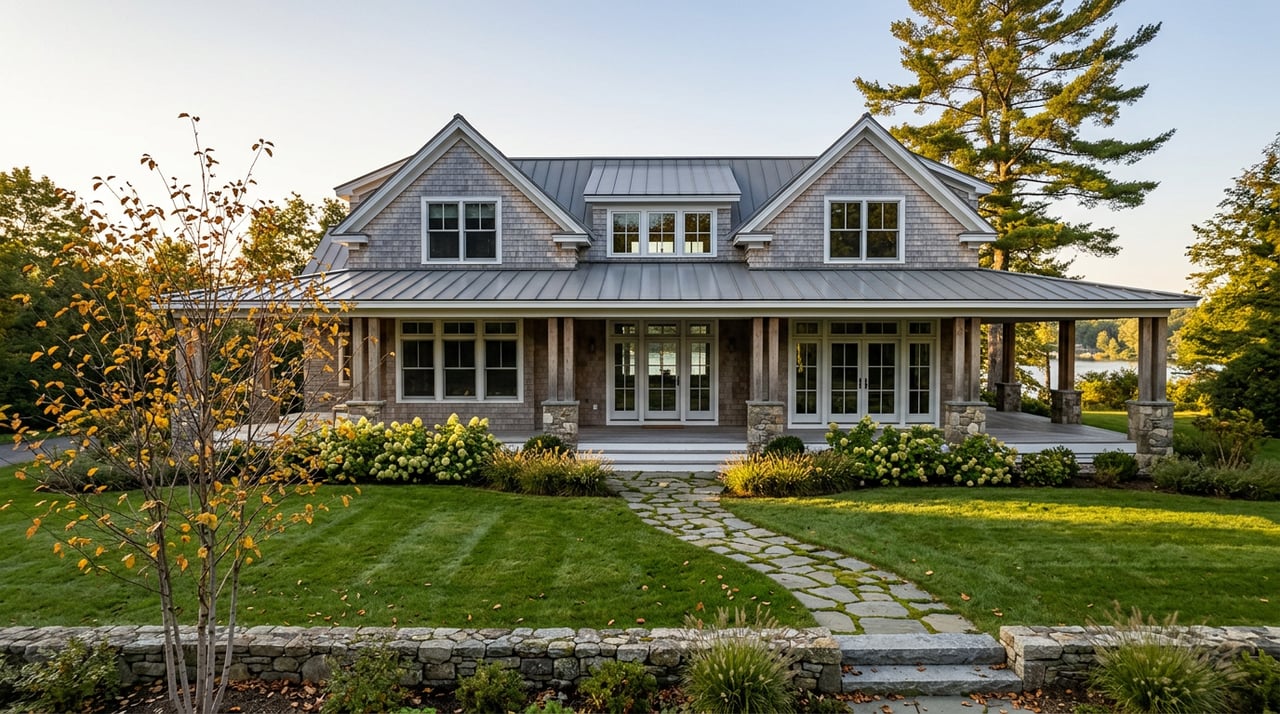
Between villages you will find rolling farmland, vineyards, and country roads. Buyers choose these areas for privacy, agricultural views, and properties with barns or space for small‑scale growing. It is a natural fit if you want a farmhouse, a converted barn, or room for a hobby farm near clusters of tasting rooms.
Wineries and farm‑to‑table living
What to expect at tasting rooms
Leelanau is a cool‑climate wine region where Riesling, Pinot Noir, Chardonnay, and cold‑hardy hybrids thrive. Wineries are spread along scenic routes, often with patios and views of hills or water. Peak tasting runs from late summer through fall, though many tasting rooms stay open year‑round with reduced winter hours.
Homes that fit a wine‑country lifestyle
You have three main paths. Vineyard‑adjacent estates or hobby farms provide space for a few acres of vines and rural tranquility. Converted barns and farmhouses offer character near clusters of tasting rooms, which keeps your wine touring simple. Village homes in places like Suttons Bay or Leland deliver walkability to dining and tasting rooms without the upkeep of acreage.
Practical notes for would‑be growers
If you plan to plant vines or host events, review township zoning and licensing early. Agritourism rules, on‑site parking, and occupancy limits vary by location. Vineyard success depends on microclimates, drainage, and soils, so it is wise to consult local extension resources or experienced growers before you buy land for vines.
Water access and boating
Lake Leelanau boating and docks
Lake Leelanau is built for day‑to‑day boating. Many owners use private docks for quick access to fishing, sailing, paddleboarding, and cruising. The lake connects to the Leland River system, but most boaters treat it as its own inland playground. Public launches and parking can be tight in peak season, so waterfront property or reliable marina access is a major convenience.
Lake Michigan and Grand Traverse Bay access
If you want big‑water boating, charter fishing, and open‑water routes, focus on Leland, Suttons Bay, or areas close to Traverse City marinas. Services like fuel, hoists, and winter storage are concentrated in these towns. Expect a longer boating off‑season. Ice and weather typically limit open‑water boating from roughly November through April, depending on conditions.
Waterfront buying checklist
- Confirm dock and shoreline rules with township, county, and state agencies. Permits, setbacks, and footprint limits often apply.
- Ask about erosion history and lake‑level changes. Long‑term shoreline stability matters for safety and value.
- Verify utilities. Many waterfront homes use private wells and septic systems. Test well yield and confirm septic compliance.
- Review insurance needs. Wind and hail coverage and flood insurance where required can affect your carrying costs.
- Plan for winterization and storage. Your boat and systems will need a reliable off‑season plan.
Trails, dunes, and four‑season recreation
Sleeping Bear Dunes highlights
The national lakeshore borders parts of southern and northwestern Leelanau and is a major draw. You will find dune climbs, scenic overlooks, and wide beaches. Summer brings ranger programs and busy trailheads, while early mornings and shoulder seasons feel quieter and more personal.
Everyday paths and bike routes
Beyond the park, county and township trails, rail‑trails, and nature preserves offer hiking and biking. Many routes are shorter scenic loops. Cyclists often combine multi‑use paths with paved scenic roads like M‑22 and local county roads for longer rides. Fall color season adds a bonus layer to daily walks and rides.
Winter trail options
When snow arrives, you can switch to fat‑biking, cross‑country skiing, and snowshoeing on maintained routes. Winter trail time is a big reason some buyers choose Glen Arbor, Empire, or quieter northern areas where trailheads sit close to home and crowds thin out.
Getting here and getting around
Commercial air service runs through Cherry Capital Airport in Traverse City. From there, it is an easy drive to Leelanau via US‑31 and state routes such as M‑22, M‑109, and M‑204. Many residents commute to Traverse City for work, services, and larger medical facilities. Drive times from central Leelanau towns often range from about 20 to 40 minutes depending on location and season.
Match your priorities to the right spot
- Priority: private inland lake boating and waterfront cottages. Focus on Lake Leelanau’s shoreline and nearby inland lakes. Look for private docks and homes designed for summer lake use.
- Priority: wine country living and dining. Start near the Suttons Bay corridor and surrounding rural lanes with clustered tasting rooms. Choose village walkability or small acreage if you want vines.
- Priority: historic maritime character with Lake Michigan access. Consider Leland and lakeshore communities with classic cottages and seasonal visitor traffic.
- Priority: dunes and trail access. Target Glen Arbor and Empire, plus northern areas close to parks and trailheads.
- Priority: privacy and hobby‑farm space. Explore interior rural townships and northern Leelanau for larger lots, barns, and agricultural zoning.
Buying smart in Leelanau
Utilities and winter readiness
Expect many rural properties to rely on private wells and septic systems. It is important to confirm water quality, well yield, and septic compliance during due diligence. Heating often uses propane, natural gas where available, or oil. Budget for winter driving, snow removal, and seasonal maintenance, especially if the home will be used part‑time.
Rentals and local rules
Short‑term rental policies vary by township and have tightened in many Michigan communities. If rental income is part of your plan, review local ordinances, occupancy limits, and any transient taxes before you buy. Busy months typically center on summer and fall, so understand when demand peaks and who will manage the property in your absence.
Inspections and financing
Waterfront and older homes deserve thorough inspections, including shoreline stability, roof and foundation, well and septic, and any historic structure needs in village districts. Flood insurance requirements depend on FEMA mapping and your site’s elevation. Some lenders use special underwriting for seasonal or log homes, so get a head start on financing.
Ready to explore the Peninsula through the lens of how you want to live? From vineyard‑view acreage to a dock on Lake Leelanau or a trail‑rich retreat by the dunes, the right home is out there. For local guidance and a curated plan, connect with Mike Annelin.
FAQs
When is the best season to visit Leelanau as a buyer?
- Summer and early fall show the region at its most active, while late fall through spring offers a quieter feel and a better sense of off‑season living.
How does Lake Leelanau boating compare to Lake Michigan boating?
- Lake Leelanau is ideal for day‑use boating with small to mid‑sized craft, while Lake Michigan and Grand Traverse Bay support larger‑lake boating and charter fishing.
Which communities are best for quick winery access in Leelanau?
- The Suttons Bay corridor and nearby rural lanes place you close to clusters of tasting rooms, with village homes offering walkability and rural homes offering space.
What should out‑of‑state buyers know about short‑term rentals in Leelanau County?
- Rules vary by township and have become stricter in places, so verify local ordinances, occupancy limits, and taxes before making an offer.
Are most homes on well and septic in Leelanau County?
- Yes, outside denser villages many properties use private wells and septic systems, so confirm performance and compliance during inspections.