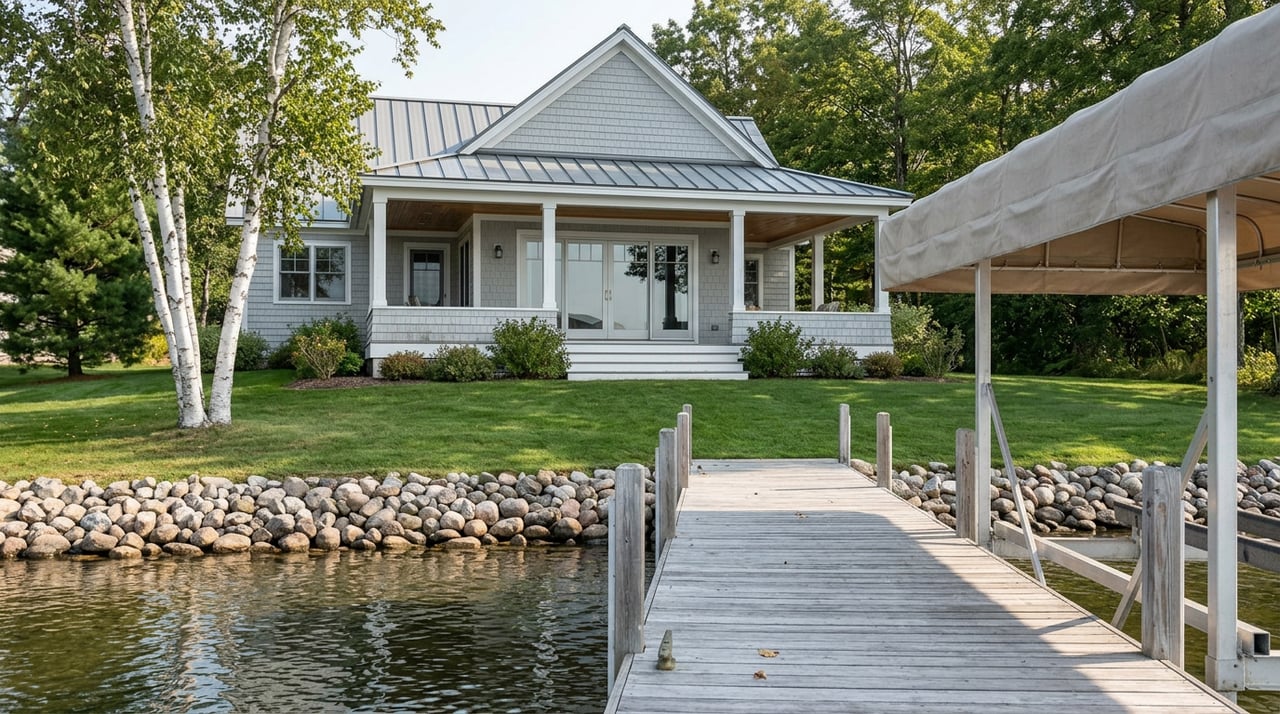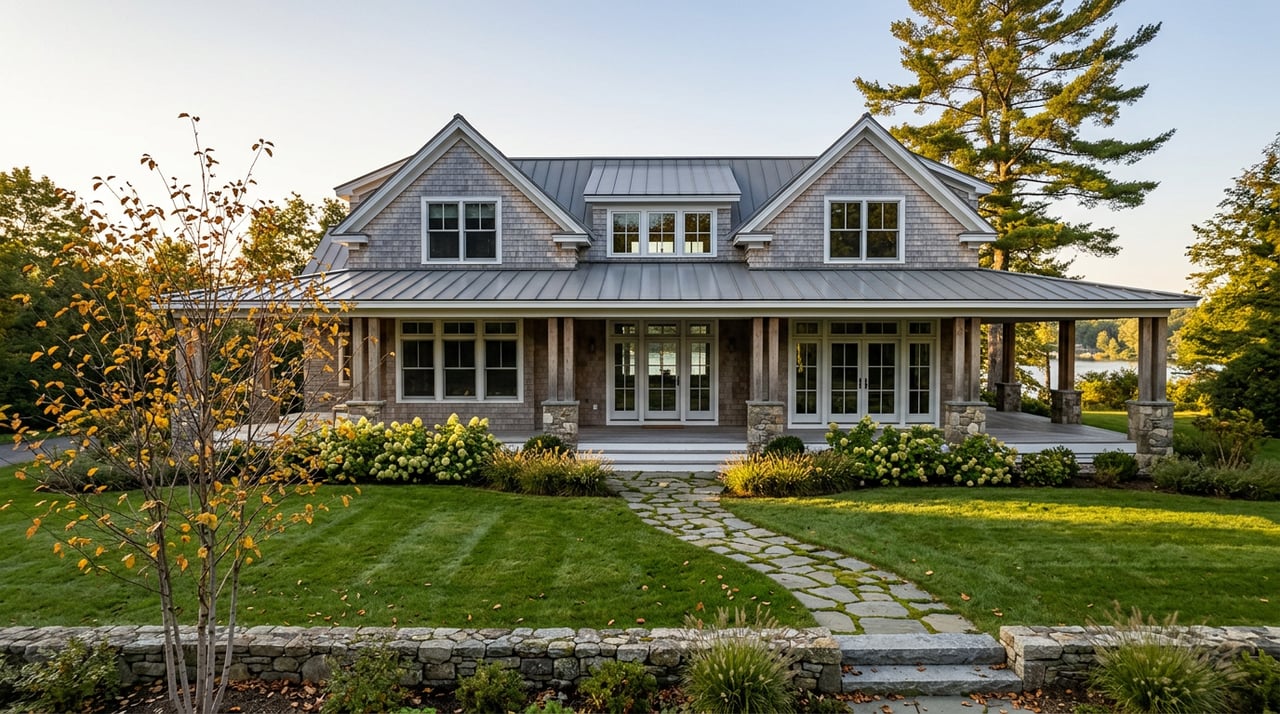
Are you picturing coffee on a quiet dock or sunsets from a hillside deck with the whole bay in view? On Old Mission Peninsula, both lifestyles are incredible, and both come with real trade‑offs. If you are weighing direct waterfront against hillside or interior homes in 49686, you want clear local facts on views, access, costs, and rules. This guide breaks down what changes day to day, what can change your budget, and what to verify before you buy. Let’s dive in.
Old Mission basics: water, access, rules
Old Mission Peninsula splits the East and West Arms of Grand Traverse Bay, so water shapes almost every view and choice. Public shoreline access is limited. The township operates a small set of parks, and the only improved beach access on the peninsula is Haserot Beach, which concentrates visitors in that area. You can review park locations and access points on the township’s parks page.
Local shoreline use is actively regulated. Peninsula Township’s zoning includes a Great Lakes shoreline section that covers docks, clearing, and rental rules. The ordinance also sets a 30‑day minimum for non‑owner occupied rentals, which affects short‑term rental plans on waterfront cottages and homes. You can read the draft/update in the township zoning ordinance.
Waterfront homes: front‑row living
Views and daily life
Waterfront homes give you unobstructed, front‑row water views. Depending on which arm and orientation you face, you may enjoy sunrise, sunset, or both throughout the seasons. You will also feel the water’s rhythm up close, from wave chop and ice movement to seasonal boat traffic. If you want to live on the shoreline, this daily sensory experience is the big draw.
Water access and boating
Direct access is the headline benefit. Many waterfront owners install seasonal docks and hoists, but those structures are regulated. Township zoning sets standards for shoreline uses and docks, and state and federal reviews can apply for work at or below the ordinary high‑water mark. Before you write an offer, confirm whether any dock or shoreline structure is existing, permitted, and transferable under current township rules. If the frontage is part of a shared association, confirm exactly what rights you have.
Privacy, noise, and nearby activity
Shoreline living brings the water to you, and it can also bring people. Expect more boat noise in narrow coves and more foot traffic near public access points like Haserot Beach. If privacy matters, factor in proximity to township parks and any association beaches.
Maintenance, risk, and long‑term costs
Recent high and variable Great Lakes water levels and short, intense storms have increased wave run‑up and shoreline stress in many spots around the bay. On Old Mission, erosion along Bluff Road has been a well‑documented example that even affected public infrastructure and access. You can see local reporting on the Bluff Road erosion and road status.
Shoreline stabilization like riprap, revetments, or seawalls can be expensive and typically requires permits, reviews, and future maintenance. Regional guidance also notes that armoring should be a last resort due to downstream effects on neighboring shorelines. For a policy and best‑practice overview, explore Michigan Sea Grant’s coastal shoreline ordinance resources.
Hillside and interior homes: big views, fewer waves
Views without the splash zone
Elevated parcels often deliver panoramic bay views while adding distance from waves and shoreline activity. Many hillside homes offer seasonal or year‑round long‑range views that can price below direct frontage. Remember that a view is not the same as legal waterfront rights, so verify any deeded or association access if water access matters to you.
Reaching the water
With limited public shoreline on Old Mission, you will likely rely on private access, stairs, or an easement to get to the beach. If you are in an association, check the exact location and allowed use of any shared frontage or walkway. If you are not, plan your lifestyle around the few public access points and understand that parking and peak‑season activity concentrate at places like Haserot Beach. You can review locations on the township’s parks page.
Slopes, drainage, and trees
Hillside lots call for attention to slope stability and surface water management. Retaining walls, driveway design, and vegetation matter for long‑term performance. Peninsula Township’s zoning addresses shoreline areas and includes tree and clearing standards, so factor those rules into any remodel or view‑management plans. Start with the draft/update of the zoning ordinance.
Wells, septic, and flood insurance
Wells and septic: new Time‑of‑Transfer rule
Most private parcels on the peninsula use on‑site septic and private wells. Starting in January 2026, Grand Traverse County requires a Time‑of‑Transfer evaluation for properties whose well or septic is within 300 feet of surface water. This can trigger repairs or replacement and should be part of your budgeting and contingencies. Review the county’s Time‑of‑Transfer guidance and build evaluation windows into your offer.
Flood mapping and insurance
If the parcel is mapped in a Special Flood Hazard Area, your lender may require flood insurance, and standard homeowner policies do not cover flood damage. Check current FEMA maps, ask for any elevation certificate, and confirm requirements with your lender and insurer. Grand Traverse County has shared flood study and map update information, which you can follow via the county’s FIRM update archive.
Market snapshot and price drivers
At the ZIP level, 49686 median pricing trends sit below many Old Mission waterfront closings. This reflects the premium buyers pay for direct frontage, usable shoreline, and permitted improvements. Recent Old Mission waterfront sales have closed above 1 million dollars in 2025, based on MLS activity, while hillside and interior homes in the same ZIP often trade at lower prices.
What drives value on the peninsula:
- Linear feet of frontage and the quality of the shoreline, such as sand beach versus rock.
- Permitted docks, hoists, and shoreline improvements, including their condition and transferability.
- Usable, flat yard or terrace between the home and the water.
- Whether the parcel has private frontage or is part of a shared‑frontage association.
- Road access and stability. Closures or decertified sections, like portions of Bluff Road, can reduce marketability and add uncertainty.
What to verify before you buy in 49686
Use this due‑diligence checklist to protect your budget and timeline:
- Survey and deeded frontage. Request a current boundary or ALTA survey that shows the ordinary high‑water mark. Confirm whether frontage is private or association owned. For a map and overview of state shoreline jurisdiction, see this local primer on EGLE’s OHWM and shoreline regulations.
- Permits for shoreline structures. Ask for copies of township, state, and federal permits for any dock, riprap, seawall, or dredging. If a structure lacks permits, assume future approvals could take time and add cost.
- Shoreline stabilization history. Document dates, contractors, warranties, and costs for riprap, stairways, and any repairs. Check neighboring properties to understand how adjacent armoring could influence erosion patterns.
- Septic and well records. Obtain permits and inspection reports. With the new county rule in 2026, make offers contingent on passing Time‑of‑Transfer evaluation or negotiated repairs. See the county’s Time‑of‑Transfer page.
- Flood zone and elevation certificate. Pull the FEMA panel, confirm flood zone designation, and ask your lender about insurance requirements. Track county updates via the FIRM archive.
- Dock rights and usable water depth. Verify permitted dock size, hoist rules, and navigability. Ask whether docks or hoists convey and whether they were properly permitted under township standards.
- Road access and maintenance. Confirm if the road is county maintained, private, or affected by erosion or decertification. Road status can impact insurance, access, and value.
- Rental and HOA limits. If you plan to rent, confirm township rules on minimum stays and any association restrictions in writing.
- Environmental and wetland overlays. Ask whether wetlands or protected habitats apply. Many shoreline projects trigger ecological review. Michigan Sea Grant’s policy resources offer helpful context.
- Insurance quotes early. Price homeowner and flood insurance during due diligence. Premiums can change your monthly budget and debt‑to‑income calculations.
Suggested offer contingencies: survey and OHWM confirmation, septic and well evaluation with pass‑or‑repair terms, copies of all shoreline and dock permits or escrow for resolution, and inspections focused on slopes, stairs, and shoreline structures.
Which lifestyle fits you?
- Choose waterfront if daily private access is your top priority and you are comfortable with higher carrying costs, layered permitting, and periodic shoreline maintenance. Ask for full permitting history, a recent survey, and septic or well evaluations with your offer.
- Choose hillside or interior if you want big views with more privacy and fewer emergency shoreline obligations. Look for properties with deeded or association access if swimming and boating are essential, and plan stairs or walkways where needed.
- For rental income plans, factor in Peninsula Township’s 30‑day minimum for non‑owner occupied rentals and any HOA limits. Short‑stay assumptions often do not pencil under current rules.
- Always plan for stacked approvals. Expect township, county health, state, and federal layers for many shoreline activities. Permitting adds time and can affect cost.
Check the township zoning, Grand Traverse County Health septic records, and current FEMA or county FIRM panels before you buy, since these can change and affect cost and approvals. Start with the township zoning ordinance, the county’s on‑site septic systems page, and the FIRM update archive.
If you want a clear plan for finding the right Old Mission home, reach out. As a native Traverse City advisor with deep waterfront experience and CENTURY 21 marketing reach, I will help you weigh trade‑offs, confirm the right details, and move with confidence. Let’s talk through your goals and map the best options for your lifestyle with Mike Annelin.
FAQs
What should Old Mission waterfront buyers confirm about docks and hoists?
- Confirm that any dock, hoist, or shoreline structure is permitted under township standards and, if applicable, state and federal rules. Ask whether the permits and structures transfer with the sale.
How limited is public beach access on Old Mission Peninsula?
- Public access is limited. Haserot Beach is the only improved public beach on the peninsula, and most other shoreline access is private or association controlled.
Do hillside homes on Old Mission still offer water access?
- Many hillside or interior homes rely on deeded or association access or private stairways to reach the water. Verify any easements, shared frontage rules, and distance to access points.
How do flood maps affect Old Mission properties in 49686?
- If a property falls within a Special Flood Hazard Area, lenders may require flood insurance. Check current FEMA maps and county updates, and ask for an elevation certificate when available.
What is the 2026 Time‑of‑Transfer rule in Grand Traverse County?
- Starting January 2026, properties with a well or septic within 300 feet of surface water must complete a Time‑of‑Transfer evaluation during sale. Build this evaluation and potential repairs into your budget and timeline.