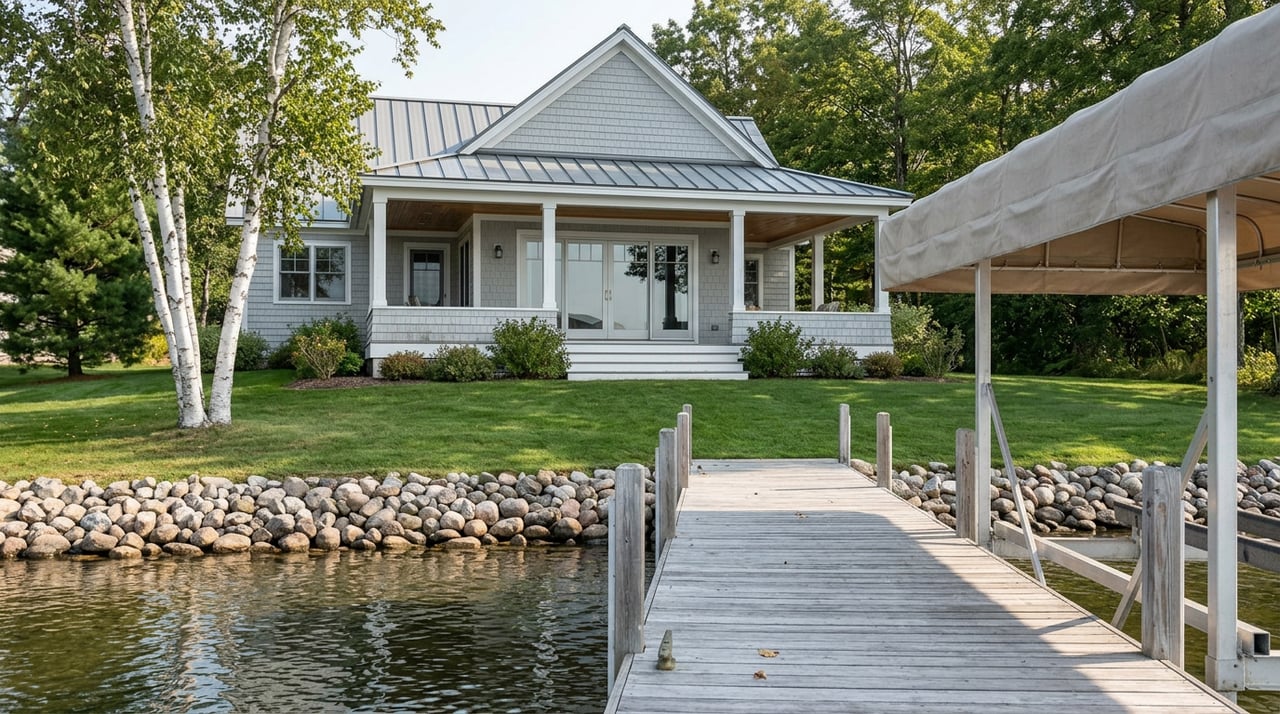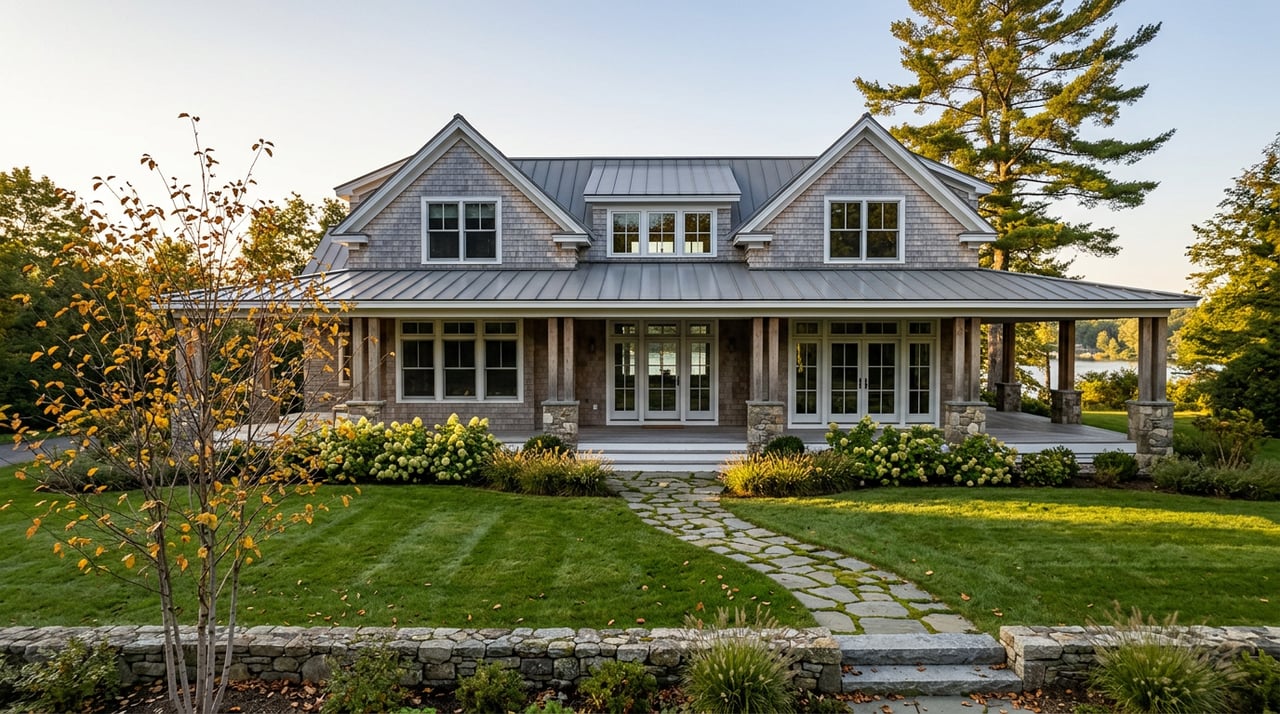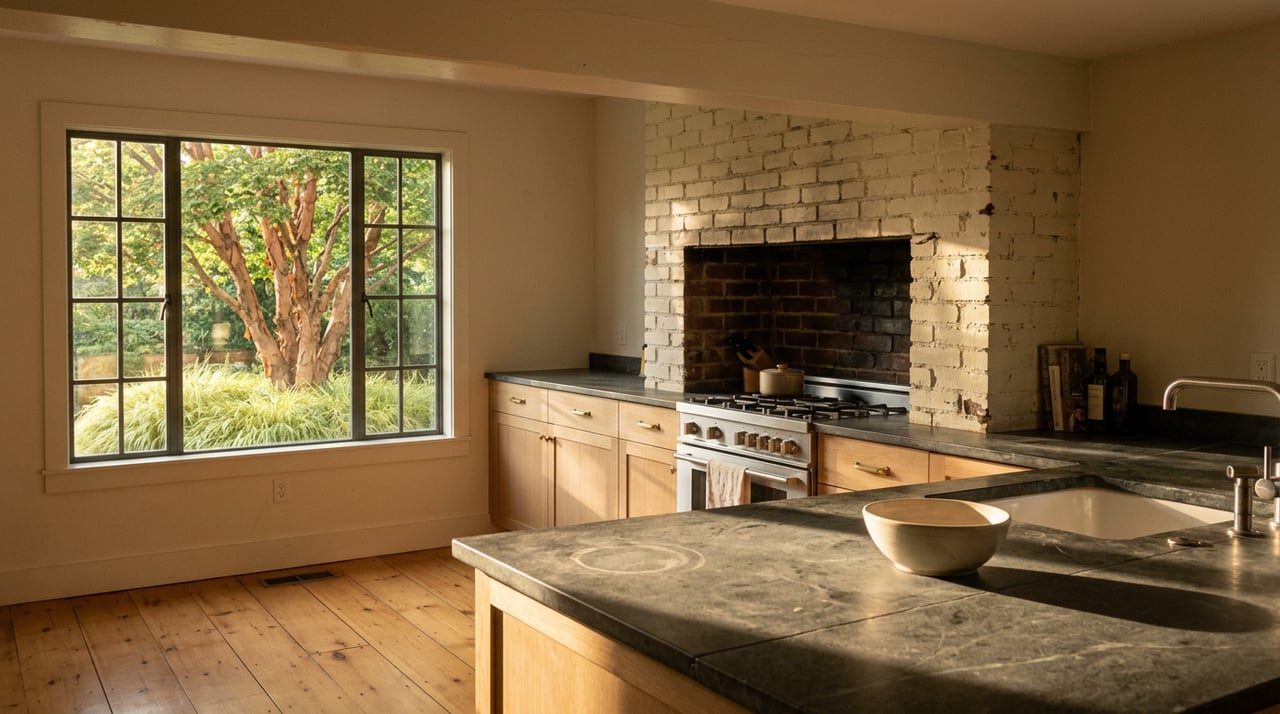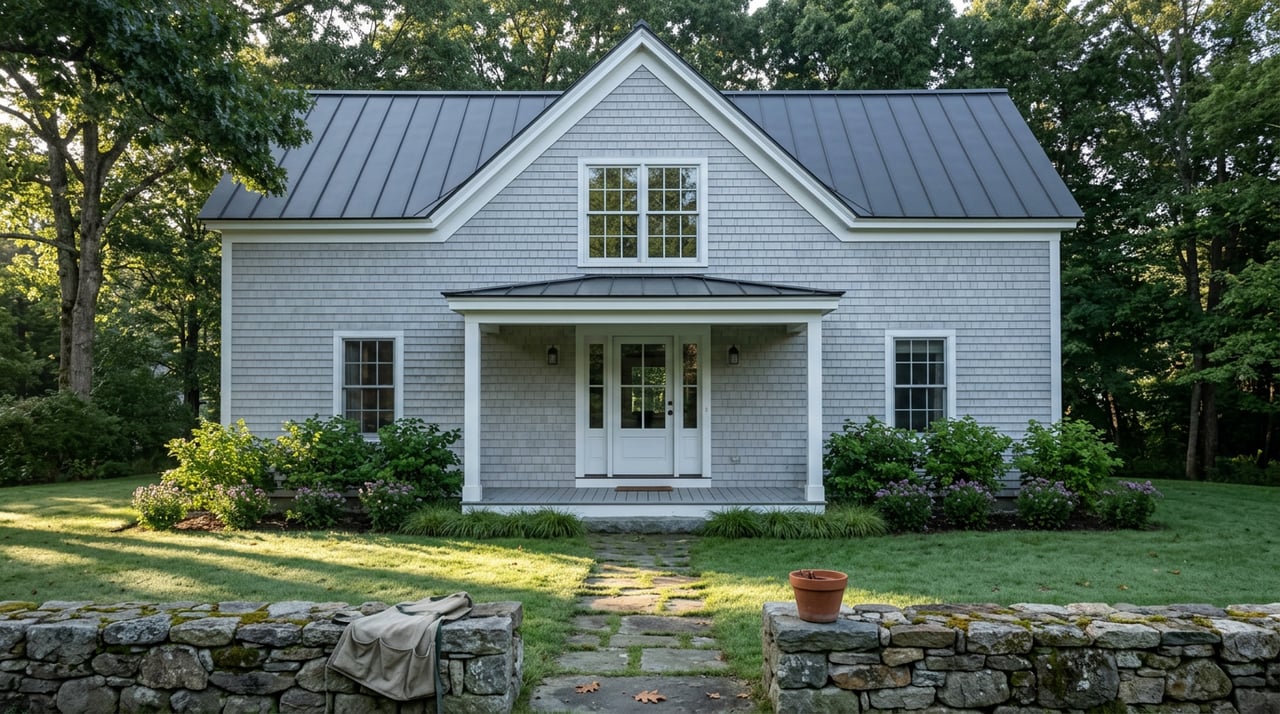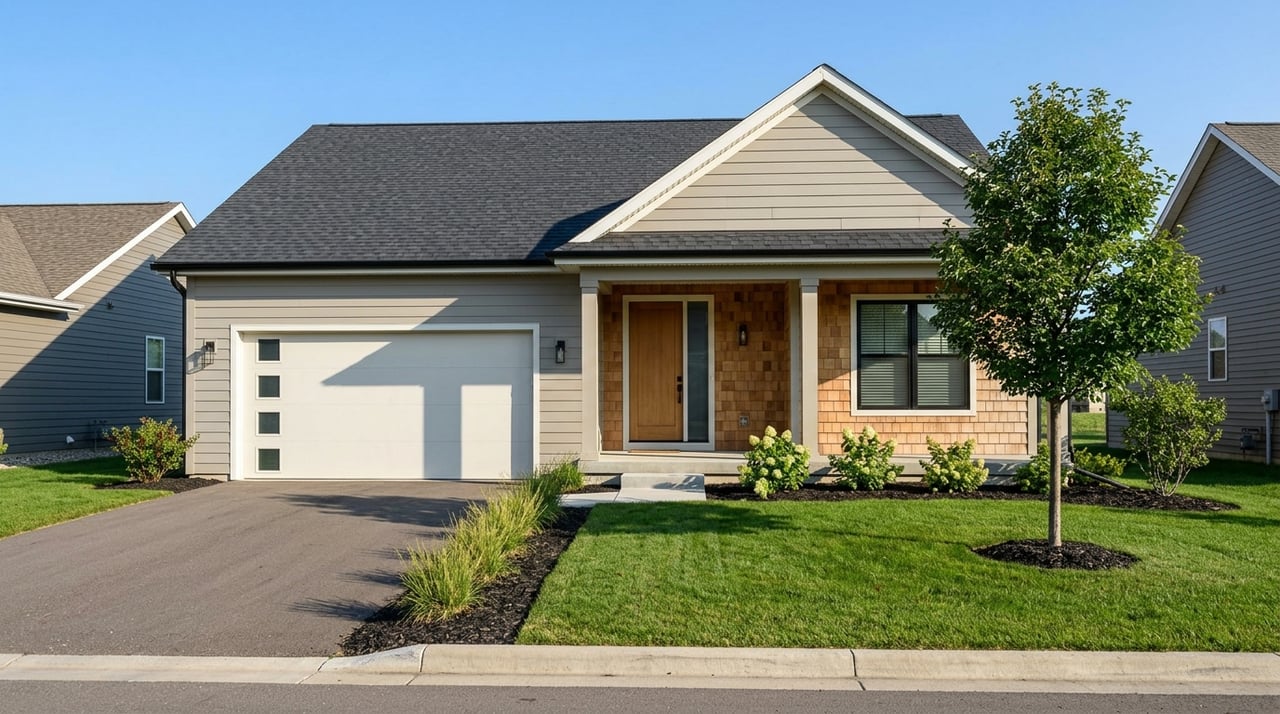
Wondering if you should look east of Traverse City for a newer home? If you want modern finishes, lower near-term maintenance, and quick access to both town and outdoor amenities, Williamsburg deserves a closer look. The key is knowing what you gain, what you give up, and how this part of the market really compares with older homes closer to downtown Traverse City. Let’s dive in.
Why Williamsburg Gets Attention
Williamsburg has become part of the Traverse City housing conversation because it offers something many buyers want: a chance to be near Traverse City without buying directly in the city core. In Whitewater Township planning feedback, residents supported focusing much of the area’s future commercial and medium-to-higher-density residential growth along the M-72 corridor near Williamsburg Road, while preserving lower-density single-family patterns in other areas. You can review those community priorities in the Whitewater Township master plan input results.
For you as a buyer, that matters because Williamsburg is not just a random spillover market. It is an area where planned growth, access, and lifestyle features are shaping demand. That gives it a different feel than older, more established neighborhoods closer to downtown Traverse City.
What New Construction Looks Like
If you are searching for brand-new homes in Williamsburg, the first thing to know is that inventory can be limited. Realtor.com’s new-construction overview for Williamsburg showed only 2 homes at the time of research, with a median listing price of $300,000 and an average of 82 days on market. That small sample tells you one important thing: availability can be thin, and what is listed may change quickly.
At the same time, current builder examples show that Williamsburg new construction is not all in one price range. At The Cottages of Windward Ridge, listed pricing ranges from $549,990 to $625,000, with 1,447- and 1,485-square-foot plans and features like quartz countertops, stainless appliances, custom cabinetry, landscaping, hydroseed, sprinklers, and blinds.
Other examples push higher. A Scenic Hills home in Williamsburg is listed at $624,990 for a 4-bedroom, 1,800-square-foot home on a 10,890-square-foot lot, with projected completion in May 2026. In the resort-adjacent segment, Arrowhead Estates has been marketed around $699,990 to $700,000 for a 2,150-square-foot new-construction home.
The takeaway is simple: Williamsburg is better understood as a newer-build alternative with a range of price points rather than a one-note bargain market.
Why Buyers Like New Builds Here
One of the biggest reasons buyers consider Williamsburg is move-in readiness. Many new homes are marketed with finishes and features already in place, including appliances, cabinetry, landscaping, and window coverings. That can make your transition easier, especially if you are relocating, buying a second home, or simply do not want to take on a renovation right away.
There is also a lifestyle angle. The Williamsburg area sits near Grand Traverse Resort and Spa, a 900-acre property about six miles northeast of Traverse City that highlights golf, spa access, trails, a private beach, and other amenities. Even if you are not buying inside a resort setting, proximity to those amenities shapes how many buyers think about the area.
For outdoor access, the TART Trail corridor adds another layer of appeal. The 10.5-mile corridor runs from Acme to Traverse City and includes parking at Meijer of Williamsburg, giving buyers another option for walking and biking access near the area.
How Williamsburg Compares With Downtown
If you are debating Williamsburg versus an older home closer to downtown Traverse City, price and housing style are usually the first two issues to compare. According to Realtor.com’s downtown Traverse City market data, downtown had a median listing price of $1.339 million, 57 active listings, and a median of 143 days on market.
That does not mean every downtown-adjacent home is over $1 million. It does mean downtown is a premium submarket, and the Traverse City area varies widely by location. The same source showed median listing prices of $744,000 in 49684, $355,000 in 49686, and $659,000 in 49690, which includes Williamsburg.
So, if you are asking whether Williamsburg is cheaper than Traverse City, the most honest answer is: sometimes, but not always. The real comparison depends on the exact neighborhood, the age of the home, the lot, and how close you want to be to the city core or the bay.
Older Downtown Homes Offer Different Trade-Offs
Older homes near downtown often deliver location, established streetscapes, and architectural character. They can also come with more uncertainty around updates and maintenance. For example, a downtown bungalow at 610 W 8th St was built in 1895 on a 0.19-acre lot, and another downtown duplex at 204 S Division Street was also built in 1895 on a 0.25-acre lot and marketed as an AS-IS opportunity, based on Realtor.com listing information.
That does not mean every older home is a project. It does mean that if you buy in an established in-town area, you may be trading turnkey condition for location and character. For some buyers, that is worth it. For others, a newer Williamsburg home feels like the better fit.
Lot Size and Privacy Depend on the Property
A common assumption is that new construction always means a small lot and that older homes always mean more space. In this market, that is not necessarily true. The Scenic Hills example in Williamsburg sits on a 10,890-square-foot lot, while some older downtown examples are also around 0.2 to 0.25 acres.
The better way to evaluate space is property by property. If yard size, privacy, or setback matters to you, focus less on whether a home is new or old and more on the specific subdivision, block, and lot configuration.
Commute and Daily Access Matter
For many buyers, Williamsburg works because it keeps you close to Traverse City without placing you in the middle of downtown pricing or older housing stock. Route estimates put Williamsburg about 14 miles from Traverse City, or roughly 24 minutes by car, according to Distance Cities route data.
That is short enough for many people who work, shop, dine, or spend time in Traverse City regularly. At the same time, it gives you a little more separation from the city core, which can be appealing if you want a quieter setting or a planned-community environment.
Long-Term Appeal Depends on Fit
Williamsburg may be a strong fit if you want newer finishes, easier upkeep, and access to nearby amenities without being far from Traverse City. It may be less ideal if your top priority is being able to walk to downtown destinations every day or owning a home in one of the city’s most established older neighborhoods.
There is also a broader market context to keep in mind. Redfin housing market data for Traverse City showed Grand Traverse County median sale prices up 17.8% year over year in February 2026, while Traverse City was up 44.1% year over year. That suggests demand is being influenced by location and scarcity across the region, not just by whether a home is new.
Whitewater Township’s planning input adds another layer. Community feedback supports concentrating more growth along M-72 while preserving rural character in other areas. If that growth pattern matches the way you want to live, Williamsburg can make a lot of sense.
How To Decide If Williamsburg Is Right
If you are trying to narrow your search, ask yourself these questions:
- Do you want a move-in-ready home with newer finishes?
- Are you comfortable being outside downtown if the drive is still manageable?
- Would you rather avoid near-term renovation projects?
- Do trail access, resort proximity, or a planned-community setting matter to you?
- Are you comparing specific neighborhoods instead of treating all of Traverse City as one market?
If you answered yes to most of those, Williamsburg may deserve a serious look.
One Important Detail To Verify
If school boundaries matter to your move, verify them by property address before you buy. Official district boundary maps are available through TCAPS, and the research also notes that Williamsburg-area addresses can connect with local school infrastructure, including Mill Creek Academy on Old M-72. Boundary details should always be confirmed parcel by parcel.
The Bottom Line
Williamsburg is not just a cheaper stand-in for Traverse City, and it is not only a resort-adjacent niche either. It is a distinct option for buyers who want new construction, modern finishes, convenient access, and a Northern Michigan lifestyle setting without buying directly in downtown Traverse City.
The right choice comes down to what matters most to you: turnkey condition, location, lot, price, daily routine, and long-term goals. If you want help comparing Williamsburg with other Traverse City area neighborhoods, Mike Annelin can help you sort through the details and find the fit that makes the most sense for your move.
FAQs
Is Williamsburg, Michigan good for new construction near Traverse City?
- Williamsburg can be a strong option if you want newer homes, modern finishes, and quick access to Traverse City, while inventory may still be limited depending on timing.
How much does new construction in Williamsburg, MI cost?
- Current examples in the research ranged from about $300,000 in broader new-construction search results to roughly $550,000 to $700,000 in specific builder communities.
How far is Williamsburg from downtown Traverse City?
- Route estimates place Williamsburg about 14 miles from Traverse City, with a drive of roughly 24 minutes.
Is Williamsburg more affordable than downtown Traverse City?
- In many cases it can be, but not across the board, since pricing varies a lot by neighborhood, home type, and exact location throughout the Traverse City area.
What lifestyle perks does Williamsburg offer homebuyers?
- Buyers are often drawn to trail access, proximity to Grand Traverse Resort and Spa, and the chance to live near Traverse City without being in the downtown core.
Should buyers compare Williamsburg and Traverse City home prices by ZIP code?
- Yes, because market data shows meaningful differences among ZIP codes like 49684, 49686, and 49690, and those differences can shape what you get for your budget.